A+ English xin giới thiệu đến các bạn bài mẫu IELTS Speaking band 8.0 với những câu trả lời ấn tượng và tự nhiên, giúp thí sinh ghi điểm cao trong kỳ thi.
Bài mẫu không chỉ gợi ý cách triển khai ý tưởng mạch lạc mà còn cung cấp từ vựng phong phú, cấu trúc câu đa dạng và cách diễn đạt tự nhiên, giúp bạn tự tin giao tiếp và thuyết phục giám khảo.
Hãy cùng khám phá ngay để nâng tầm kỹ năng Speaking của bạn nhé!
1. Đề bài IELTS Speaking (Assignment)
| PART 1
The examiner asks the candidate about him/herself, his/her homework or studies and other familiar topics. Future What job would you like to have ten years from now? [Why?} How useful will English be for your future* [Why/Why not?] How much traveling do you hope to do in the future? [Why/Why not?] How do you think your life will change in the future? [Why/Why not?] |
| PART 2
Describe a book that you enjoyed reading because you had to think a lot.You should say:
and explain why you enjoyed reading this book |
| PART 3 Discussion topic
Children and reading What are the most popular types of children’s books in your country? What are the benefits of parents reading books to their children?Should parents always let children choose the books they read? Electronic books How popular are electronic books in your country? What are the advantages of parents reading electronic books (compared to printed books)? Will electronic books ever completely replace printed hooks in the future? |
Source: CAMBRIDGE 14 TEST 1
2. Phân tích câu hỏi – Lập dàn ý (Analyze the topic – Outline)
PART 1 Future
What job would you like to have ten years from now? [Why?]
- Main point: I want to be a software developer or game designer.
- Reason: I’m passionate about technology and gaming, and these careers let me create something innovative and enjoyable.
How useful will English be for your future? [Why/Why not?]
- Main point: English will be extremely useful.
- Reason: It’s the global language for education, jobs, and online communities, especially in the tech industry where most resources are in English.
How much traveling do you hope to do in the future? [Why/Why not?]
- Main point: I hope to travel to a few countries but not extensively.
- Reason: I’d like to experience different cultures and meet new people, but I prefer a more stable life close to my family.
How do you think your life will change in the future? [Why/Why not?]
- Main point: My life will likely become more independent and busy.
- Reason: I’ll need to focus on my career, responsibilities, and achieving personal goals like financial stability.
PART 2 Describe a Book That You Enjoyed Reading Because You Had to Think a Lot
What this book was? The book I enjoyed reading was “Sapiens: A Brief History of Humankind” by Yuval Noah Harari.
Why you decided to read it? I picked it up because I heard great reviews and was curious about human history and how society developed.
What reading this book made you think about? It made me reflect on how humans evolved, how culture and technology shaped the world, and where humanity might be headed.
Why you enjoyed reading this book? The book was thought-provoking and challenged me to think about big ideas. The writing was clear and engaging, and I enjoyed learning things I’d never considered before.
PART 3
Children and Reading
What are the most popular types of children’s books in your country?
- Main point: Picture books, fairy tales, and educational stories.
- Reason: These books are colorful, fun, and help children learn language skills and moral lessons in an entertaining way.
What are the benefits of parents reading books to their children?
- Main point: It helps children develop language skills, imagination, and a love for reading.
- Reason: Listening to stories improves vocabulary, strengthens bonds between parents and children, and stimulates creativity.
Should parents always let children choose the books they read?
- Main point: Parents should let children choose books, but guide them when necessary.
- Reason: It encourages independence and interest in reading, but some supervision ensures they read appropriate and educational material.
Electronic Books
How popular are electronic books in your country?
- Main point: E-books are growing in popularity, especially among younger people.
- Reason: They are convenient, affordable, and can be accessed anywhere using smartphones or tablets.
What are the advantages of parents reading electronic books (compared to printed books)?
- Main point: E-books are portable, interactive, and often come with audio options.
- Reason: Parents can store many books in one device, and some e-books include animations or sound effects to keep children engaged.
Will electronic books ever completely replace printed books in the future?
- Main point: I don’t think so; printed books will still exist.
- Reason: Many people prefer the feel of physical books, and printed books are less straining on the eyes compared to screens.
3. Bài Mẫu (Sample Essay) Band 8.0+
Task 1Future What job would you like to have ten years from now? [Why?]I’d like to become a game developer or software engineer because I enjoy technology and creating things. I’ve always been fascinated by games like Free Fire and Roblox, and I want to be part of the process that brings those ideas to life. It’s a job that combines creativity and problem-solving, which sounds perfect for me. How useful will English be for your future? [Why/Why not?]English will be incredibly useful in my future since it’s the global language of technology and communication. Most programming tools, online resources, and gaming platforms use English, so being fluent will give me an edge. It will also help me connect with international communities and improve my career opportunities. How much traveling do you hope to do in the future? [Why/Why not?]To be honest, I don’t think I’ll travel a lot because I prefer staying indoors. I’m more comfortable exploring things virtually, like playing games or watching videos. That said, I wouldn’t mind visiting countries like Japan or South Korea one day to experience their gaming culture and technology. How do you think your life will change in the future? [Why/Why not?]I think life will change a lot as I grow older. I’ll probably be busier with work, and I hope to be more independent. Technology will keep advancing, so I’ll need to stay updated to keep up with my career. I also hope to support my family and have a more balanced life. |
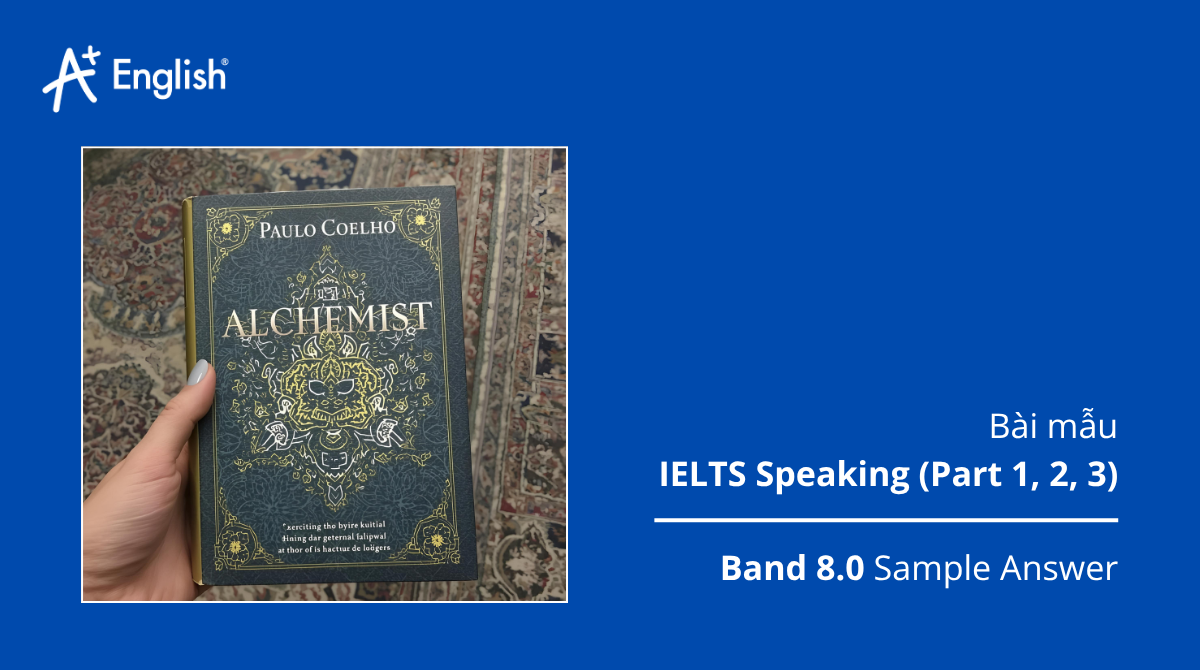
Task 2Describe a Book That You Enjoyed Reading Because You Had to Think a LotThe book I’d like to talk about is “The Alchemist” by Paulo Coelho. I came across this book when I saw someone recommending it on a YouTube video, so I decided to give it a try during my free time.The story follows a shepherd named Santiago, who goes on a journey to find treasure. However, the deeper meaning of the book isn’t just about gold or wealth—it’s about following your dreams and discovering yourself. While reading, I had to pause a lot to reflect on the message behind certain passages. For instance, one line that really struck me was, “When you want something, all the universe conspires in helping you to achieve it.” It made me think about my own dreams and how important it is to stay determined.I enjoyed this book because it wasn’t just a story—it was like a lesson about life. The idea of having a “personal legend” or purpose made me realize that I shouldn’t give up on my goals, no matter how hard the journey might be. I also liked how simple yet powerful the language was. It’s one of those books that you can finish quickly, but its meaning stays with you for a long time. In short, it gave me a lot to think about and motivated me to work harder for my future. |
Task 3Children and Reading What are the most popular types of children’s books in your country?Well, let me think about that for a moment. In Vietnam, I’d say the most popular types of children’s books are fairy tales, folk stories, and educational books. You know, classic folk tales like “The Story of Tấm and Cám” are still very common because they teach moral lessons and are passed down through generations. Picture books with colorful illustrations are also a favorite among younger kids since they’re visually engaging and easy to understand. Recently, though, interactive books and comics have started gaining popularity because they make reading more enjoyable and fun for children. What are the benefits of parents reading books to their children?Hmm, that’s an interesting question. There are definitely a lot of benefits when parents read to their children. First of all, it helps kids develop their vocabulary and listening skills, which are so important for learning. Plus, reading together creates a special bond between parents and kids, you know, making it a positive and meaningful experience. It also sparks children’s imagination and encourages curiosity about the world. And when you think about it, these habits often lead to better performance in school and stronger critical thinking skills later on. Should parents always let children choose the books they read?Well, that’s a tricky one. I think it’s a good idea to let children choose their own books, but with a bit of guidance. You see, when kids pick books they like, they’re more motivated to read and learn. However, I think parents should recommend books that are age-appropriate and maybe even a little educational. For example, mixing fun comic books with stories that teach important life lessons can strike a good balance. That way, children enjoy reading while also learning something valuable. Electronic Books How popular are electronic books in your country?Hmm, let me think for a second. I’d say electronic books, or e-books, are becoming quite popular in Vietnam, especially among young people and students. They’re super convenient, affordable, and you can download them instantly onto a smartphone or tablet. That said, printed books are still widely used, particularly by older generations who prefer the traditional experience of holding a physical book. So, while e-books are on the rise, printed books still hold their ground, at least for now. What are the advantages of parents reading electronic books (compared to printed books)?Ah, that’s a good question. I think the biggest advantage of electronic books is, well, their convenience. Parents can carry hundreds of books on just one device, so they can read to their kids anytime, anywhere, without lugging around heavy books. Plus, e-books often include interactive features like animations, audio narration, or highlighted text, which really help make reading more engaging for children. On top of that, e-books are usually cheaper than printed ones, and they’re more eco-friendly since they save paper and reduce printing waste. Will electronic books ever completely replace printed books in the future?Hmm, that’s something worth thinking about. While e-books are definitely growing in popularity, I honestly don’t think they’ll completely replace printed books. Many people, myself included, enjoy the feeling of holding a physical book and flipping through its pages. It gives a sense of connection that e-books can’t quite replicate. Also, printed books are easier on the eyes, especially when you’re reading for a long time. That being said, e-books will probably continue to grow because of their convenience and affordability. But, you know, printed books will always have a special place, especially for book lovers who enjoy the traditional reading experience. |
Dịch
| Task 1
Future What job would you like to have ten years from now? [Why?] Tôi muốn trở thành nhà phát triển game hoặc kỹ sư phần mềm vì tôi rất thích công nghệ và sáng tạo. Tôi luôn bị cuốn hút bởi các trò chơi như Free Fire và Roblox, và tôi muốn là một phần trong quá trình biến những ý tưởng đó thành hiện thực. Đây là công việc kết hợp giữa sự sáng tạo và khả năng giải quyết vấn đề, điều mà tôi nghĩ là hoàn hảo với bản thân. How useful will English be for your future? [Why/Why not?] Tiếng Anh sẽ cực kỳ hữu ích trong tương lai của tôi vì đây là ngôn ngữ toàn cầu của công nghệ và giao tiếp. Hầu hết các công cụ lập trình, tài nguyên trực tuyến và nền tảng game đều sử dụng tiếng Anh, nên việc thành thạo tiếng Anh sẽ giúp tôi có lợi thế. Ngoài ra, tiếng Anh còn giúp tôi kết nối với các cộng đồng quốc tế và mở rộng cơ hội nghề nghiệp. How much traveling do you hope to do in the future? [Why/Why not?] Thực lòng mà nói, tôi không nghĩ mình sẽ đi du lịch nhiều vì tôi thích ở nhà hơn. Tôi cảm thấy thoải mái khi khám phá mọi thứ qua màn hình, như chơi game hoặc xem video. Tuy nhiên, tôi cũng muốn đến thăm Nhật Bản hoặc Hàn Quốc một ngày nào đó để trải nghiệm văn hóa và công nghệ game của họ. How do you think your life will change in the future? [Why/Why not?] Tôi nghĩ cuộc sống sẽ thay đổi rất nhiều khi tôi lớn hơn. Có lẽ tôi sẽ bận rộn hơn với công việc và hy vọng sẽ độc lập hơn. Công nghệ sẽ tiếp tục phát triển, nên tôi cần cập nhật bản thân để theo kịp sự nghiệp. Tôi cũng mong có thể hỗ trợ gia đình và có một cuộc sống cân bằng hơn. |
| Task 2
Describe a Book That You Enjoyed Reading Because You Had to Think a Lot Cuốn sách mà tôi muốn nói đến là “Nhà Giả Kim” của Paulo Coelho. Tôi biết đến cuốn sách này khi xem một video YouTube có người giới thiệu, nên tôi đã quyết định thử đọc vào thời gian rảnh.Câu chuyện kể về một người chăn cừu tên Santiago, người đã bắt đầu hành trình đi tìm kho báu. Tuy nhiên, ý nghĩa sâu xa của cuốn sách không chỉ nói về vàng hay sự giàu có, mà còn nói về việc theo đuổi ước mơ và khám phá bản thân. Khi đọc, tôi phải dừng lại nhiều lần để suy ngẫm về thông điệp trong từng đoạn. Ví dụ, một câu khiến tôi ấn tượng là: “Khi bạn thực sự mong muốn điều gì đó, cả vũ trụ sẽ hợp sức giúp bạn đạt được điều đó.” Nó khiến tôi nghĩ về ước mơ của bản thân và tầm quan trọng của sự kiên định.Tôi thích cuốn sách này vì nó không chỉ là một câu chuyện mà còn là một bài học về cuộc sống. Ý tưởng về “huyền thoại cá nhân” hay mục đích sống khiến tôi nhận ra rằng mình không nên từ bỏ mục tiêu, dù hành trình có khó khăn đến đâu. Tôi cũng rất thích ngôn từ đơn giản nhưng đầy sức mạnh của cuốn sách. Đây là một trong những cuốn sách mà bạn có thể đọc nhanh nhưng ý nghĩa của nó sẽ đọng lại trong tâm trí rất lâu. Tóm lại, cuốn sách này đã cho tôi nhiều điều để suy nghĩ và truyền cảm hứng để cố gắng hơn trong tương lai. |
| Task 3
Children and Reading What are the most popular types of children’s books in your country? À, để tôi nghĩ một chút. Ở Việt Nam, tôi nghĩ những loại sách phổ biến nhất đối với trẻ em là truyện cổ tích, truyện dân gian và sách giáo dục. Bạn biết đấy, những truyện dân gian kinh điển như “Tấm Cám” vẫn rất phổ biến vì chúng dạy bài học đạo đức và được truyền từ thế hệ này sang thế hệ khác. Những cuốn sách tranh có hình minh họa đầy màu sắc cũng rất được yêu thích vì chúng hấp dẫn về mặt thị giác và dễ hiểu với trẻ nhỏ. Gần đây, sách tương tác và truyện tranh cũng ngày càng phổ biến vì chúng khiến việc đọc trở nên thú vị hơn. What are the benefits of parents reading books to their children? Hmm, đây là một câu hỏi hay. Có rất nhiều lợi ích khi cha mẹ đọc sách cho con cái. Trước tiên, nó giúp trẻ phát triển vốn từ vựng và kỹ năng nghe, điều này rất quan trọng cho việc học tập. Hơn nữa, đọc sách cùng nhau còn tạo ra một mối liên kết đặc biệt giữa cha mẹ và con cái, khiến việc này trở thành một trải nghiệm tích cực và ý nghĩa. Nó cũng khơi dậy trí tưởng tượng của trẻ và kích thích sự tò mò về thế giới xung quanh. Những thói quen này thường dẫn đến kết quả học tập tốt hơn và phát triển kỹ năng tư duy phản biện sau này. Should parents always let children choose the books they read? Đây là một câu hỏi khó. Tôi nghĩ cha mẹ nên để trẻ tự chọn sách, nhưng với một chút định hướng. Khi trẻ chọn những cuốn sách mà chúng thích, chúng sẽ có động lực hơn để đọc và học hỏi. Tuy nhiên, tôi cũng nghĩ cha mẹ nên giới thiệu những cuốn sách phù hợp với lứa tuổi và mang tính giáo dục. Ví dụ, kết hợp truyện tranh vui nhộn với những câu chuyện có bài học cuộc sống có thể tạo ra sự cân bằng tốt. Bằng cách đó, trẻ vừa thích đọc sách lại vừa học được điều gì đó có giá trị. Electronic BooksHow popular are electronic books in your country? À, để tôi nghĩ một chút. Tôi nghĩ sách điện tử ngày càng phổ biến ở Việt Nam, đặc biệt là với giới trẻ và học sinh. Chúng rất tiện lợi, giá cả phải chăng và bạn có thể tải chúng ngay lập tức về điện thoại thông minh hoặc máy tính bảng. Tuy nhiên, sách in vẫn được sử dụng rộng rãi, đặc biệt là bởi thế hệ lớn tuổi hơn vì họ thích cảm giác cầm cuốn sách thật trên tay. Vì vậy, dù sách điện tử đang phát triển, sách in vẫn giữ được vị trí của mình, ít nhất là ở thời điểm hiện tại. What are the advantages of parents reading electronic books (compared to printed books)? Đó là một câu hỏi hay. Tôi nghĩ lợi ích lớn nhất của sách điện tử là sự tiện lợi. Cha mẹ có thể mang theo hàng trăm cuốn sách chỉ trên một thiết bị duy nhất và có thể đọc cho con bất cứ lúc nào, ở bất kỳ đâu, mà không cần phải mang sách nặng nề. Ngoài ra, sách điện tử thường có các tính năng tương tác như hình ảnh động, âm thanh hoặc chữ được đánh dấu, điều này giúp việc đọc sách trở nên hấp dẫn hơn cho trẻ em. Hơn nữa, sách điện tử thường rẻ hơn sách in và thân thiện với môi trường hơn vì chúng tiết kiệm giấy và giảm thiểu rác thải in ấn. Will electronic books ever completely replace printed books in the future? Hmm, đây là một điều đáng suy ngẫm. Mặc dù sách điện tử chắc chắn đang ngày càng phổ biến, nhưng tôi thực sự không nghĩ chúng sẽ hoàn toàn thay thế sách in. Nhiều người, bao gồm cả tôi, thích cảm giác cầm một cuốn sách và lật từng trang. Nó mang lại một kết nối mà sách điện tử không thể thay thế. Hơn nữa, sách in dễ chịu hơn cho mắt khi đọc trong thời gian dài. Tuy vậy, sách điện tử sẽ tiếp tục phát triển nhờ sự tiện lợi và giá cả hợp lý. Nhưng bạn biết đấy, sách in sẽ luôn có một vị trí đặc biệt, đặc biệt là với những người yêu thích đọc sách theo cách truyền thống. |
4. Từ vựng (Vocabulary)
- Conspire (kənˈspaɪə) – C1 – Verb – âm mưu, hợp lực (theo nghĩa tích cực trong văn cảnh)
Collocations: conspire to achieve (cùng hợp sức để đạt điều gì)
Ví dụ: “When you want something, all the universe conspires in helping you to achieve it.”
Dịch: “Khi bạn thật sự mong muốn điều gì, cả vũ trụ sẽ hợp lực giúp bạn đạt được nó.” - Interactive (ˌɪn.təˈræk.tɪv) – C1 – Adjective – tương tác
Collocations: interactive books, interactive content
Ví dụ: “E-books often include interactive features like animations and audio narration.”
Dịch: “Sách điện tử thường bao gồm các tính năng tương tác như hoạt hình và giọng kể.” - Convenience (kənˈviː.ni.əns) – C1 – Noun – sự thuận tiện
Collocations: added convenience, modern convenience
Ví dụ: “The biggest advantage of electronic books is their convenience.”
Dịch: “Ưu điểm lớn nhất của sách điện tử là sự thuận tiện của nó.” - Affordable (əˈfɔː.də.bəl) – C1 – Adjective – có giá cả phải chăng
Collocations: affordable price, affordable option
Ví dụ: “Electronic books are convenient, affordable, and can be downloaded instantly.”
Dịch: “Sách điện tử rất thuận tiện, giá cả phải chăng và có thể tải ngay lập tức.” - Perspective (pəˈspek.tɪv) – C1 – Noun – góc nhìn, quan điểm
Collocations: new perspective, change perspective
Ví dụ: “It gave me a new perspective on how vast and mysterious the universe is.”
Dịch: “Nó mang lại cho tôi một góc nhìn mới về sự bao la và huyền bí của vũ trụ.” - Engaging (ɪnˈɡeɪ.dʒɪŋ) – C1 – Adjective – hấp dẫn, lôi cuốn
Collocations: engaging content, engaging experience
Ví dụ: “The show explained complex scientific ideas using animations and simple language, making it engaging.”
Dịch: “Chương trình giải thích các ý tưởng khoa học phức tạp bằng hoạt hình và ngôn ngữ đơn giản, làm nó trở nên hấp dẫn.” - Evolve (ɪˈvɒlv) – C1 – Verb – phát triển, tiến hóa
Collocations: evolve over time, evolve into something
Ví dụ: “I disagree because science is always evolving, and there’s still so much we don’t know.”
Dịch: “Tôi không đồng ý vì khoa học luôn phát triển và còn rất nhiều điều chúng ta chưa biết.” - Reflect (rɪˈflekt) – C1 – Verb – suy ngẫm
Collocations: reflect on an idea, reflect deeply
Ví dụ: “While reading, I had to pause a lot to reflect on the message behind certain passages.”
Dịch: “Khi đọc, tôi phải dừng lại rất nhiều lần để suy ngẫm về thông điệp đằng sau các đoạn văn.” - Impact (ˈɪm.pækt) – B2 – Noun/Verb – tác động, ảnh hưởng
Collocations: positive impact, significant impact
Ví dụ: “Practical areas like health and technology attract attention because they impact daily life.”
Dịch: “Những lĩnh vực thực tiễn như y tế và công nghệ thu hút sự chú ý vì chúng ảnh hưởng đến cuộc sống hàng ngày.”
5. Thành ngữ (Idioms)
- A tough nut to crack – C2 – vấn đề khó giải quyết
Ví dụ: “Mandarin Chinese would be a tough nut to crack because of its unique tones and writing system.”
Dịch: “Tiếng Trung Quốc là một vấn đề khó giải quyết vì hệ thống âm điệu và chữ viết đặc biệt của nó.” - Put it this way – C1 – nói một cách khác
Ví dụ: “Let me put it this way—e-books are growing, but they won’t completely replace printed books.”
Dịch: “Hãy để tôi nói thế này—sách điện tử đang phát triển, nhưng chúng sẽ không hoàn toàn thay thế sách in.” - Take the world by storm – C1 – trở nên nổi tiếng hoặc phổ biến nhanh chóng
Ví dụ: “Online shopping has taken the world by storm because of its convenience.”
Dịch: “Mua sắm trực tuyến đã trở nên phổ biến rộng rãi nhờ vào sự tiện lợi của nó.” - Strike a balance – C1 – cân bằng giữa hai điều gì đó
Ví dụ: “Mixing comic books with educational stories helps strike a balance between fun and learning.”
Dịch: “Kết hợp truyện tranh với các câu chuyện giáo dục giúp cân bằng giữa vui chơi và học hỏi.” - Throw a wrench in something – C1 – cản trở hoặc làm hỏng kế hoạch
Ví dụ: “Delivery delays can really throw a wrench in your plans if you need something urgently.”
Dịch: “Việc giao hàng bị trễ có thể làm hỏng kế hoạch của bạn nếu bạn cần thứ gì đó gấp.”
6. Ngữ pháp
- Mệnh đề quan hệ (Relative Clauses)
- Công thức chung: [Main Clause] + who/which/that + [Relative Clause]
- Nghĩa tiếng Việt: Mệnh đề quan hệ dùng để cung cấp thêm thông tin về người hoặc vật.
- Bối cảnh sử dụng: Được sử dụng để làm rõ danh từ và tạo sự kết nối mạch lạc.
- Ví dụ: The book I’d like to talk about is “The Alchemist” by Paulo Coelho, which is about following your dreams and discovering yourself.
- Dịch: Cuốn sách tôi muốn nói đến là “Nhà Giả Kim” của Paulo Coelho, cuốn sách nói về việc theo đuổi ước mơ và khám phá bản thân.
- Câu điều kiện loại 1 (First Conditional)
- Công thức chung: If + Present Simple, will + [Verb]
- Nghĩa tiếng Việt: Dùng để nói về tình huống có thể xảy ra trong tương lai.
- Bối cảnh sử dụng: Khi diễn tả kết quả có thể xảy ra dựa trên điều kiện hiện tại.
- Ví dụ: If technology keeps advancing, I’ll need to stay updated to keep up with my career.
- Dịch: Nếu công nghệ tiếp tục phát triển, tôi sẽ cần phải cập nhật để theo kịp công việc của mình.
- Cấu trúc nhấn mạnh (Cleft Sentences)
- Công thức chung: It is/was + [Focus] + that/who + [Clause]
- Nghĩa tiếng Việt: Dùng để nhấn mạnh một thành phần cụ thể trong câu.
- Bối cảnh sử dụng: Khi cần làm nổi bật chủ thể hoặc hành động.
- Ví dụ: It’s the interactive features that make e-books more engaging for children.
- Dịch: Chính các tính năng tương tác khiến sách điện tử trở nên hấp dẫn hơn đối với trẻ em.
- Cấu trúc với “while”/ “although” (Contrast Structures)
- Công thức chung: While/Although + [Clause], [Main Clause]
- Nghĩa tiếng Việt: Dùng để thể hiện sự tương phản giữa hai ý.
- Bối cảnh sử dụng: So sánh hai ý kiến hoặc tình huống trái ngược nhau.
- Ví dụ: While e-books are on the rise, printed books still hold their ground.
- Dịch: Dù sách điện tử đang ngày càng phổ biến, sách in vẫn giữ vững vị trí của mình.
- Câu so sánh (Comparative and Superlative Structures)
- Công thức chung: more/less + adjective + than hoặc the most + adjective
- Nghĩa tiếng Việt: So sánh hơn và so sánh nhất trong tiếng Anh.
- Bối cảnh sử dụng: Được dùng để so sánh hai hoặc nhiều đối tượng.
- Ví dụ: E-books are usually cheaper than printed ones, and they’re more eco-friendly.
- Dịch: Sách điện tử thường rẻ hơn sách in và thân thiện với môi trường hơn.
7. Các hình thái thể hiện sự lưu loát
Use of Cohesive Devices
-
- Logical Connectors: Well, to be honest, however, while, that said, on top of that
- Pronouns: It, they, this, that, which
- Conjunctions: Because, although, and, but
- Ví dụ:
-
- “I could filter my search results by price, rating, and reviews. On top of that, Shopee offers flash sales.”
- “While I don’t go out much, I’d love to have a park nearby.”
8. Phát âm
Meaningful Utterances
Chunks to focus on: Well, let me think for a second… / To be perfectly honest… / You see…
Linking Sounds and Elision
“Hold their ground” → /həʊld ðər graʊnd/
“That said” → /ðæt sɛd/
“On top of that” → /ɒn ˈtɒp əv ðæt/
Stress and Intonation
Emphatic stress: I genuinely like my neighbourhood.
Contrastive stress: While e-books are on the rise, printed books still hold their ground.
9. Bài luyện tập (Practice Exercise)
Bài tập dịch từ tiếng Việt qua tiếng Anh:
Bài tập viết lại câu:
|
| KEY
Bài tập dịch từ tiếng Việt qua tiếng Anh:
Bài tập viết lại câu:
|
Sau khi tham khảo bài mẫu IELTS Speaking – Band 8.0, A+ English hy vọng các bạn sẽ hiểu rõ cách triển khai câu trả lời, phát triển ý tưởng mạch lạc. Đồng thời, các bạn cũng sẽ thu thập thêm nhiều từ vựng, cấu trúc hay và cách diễn đạt tự nhiên để áp dụng trong kỳ thi.
Nếu bạn đang tìm một khóa học IELTS chất lượng cao, phù hợp với trình độ của mình, hãy liên hệ ngay Tại đây để được tư vấn lộ trình học cá nhân hóa và nhận những tài liệu độc quyền mới nhất!
A+ English chúc các bạn học tập hiệu quả!