A+ English xin giới thiệu đến các bạn bài mẫu IELTS Speaking band 8.0 với những câu trả lời ấn tượng và tự nhiên, giúp thí sinh ghi điểm cao trong kỳ thi.
Bài mẫu không chỉ gợi ý cách triển khai ý tưởng mạch lạc mà còn cung cấp từ vựng phong phú, cấu trúc câu đa dạng và cách diễn đạt tự nhiên, giúp bạn tự tin giao tiếp và thuyết phục giám khảo.
Hãy cùng khám phá ngay để nâng tầm kỹ năng Speaking của bạn nhé!
1. Đề bài IELTS Speaking (Assignment)
| PART 1
The examiner asks you about yourself, your home, work or studies and other familiar topics. EXAMPLE Maps Do you think it’s better to use a paper map or a map on your phone? [Why?] When was the last time you needed to use a map? [Why/Why not?] If you visit a new city, do you always use a map to find your way around? [Why/Why not?] In general, do you find it easy to read maps? [Why/Why not?] |
| PART 2
Describe an occasion when you had to do something in a hurry. You should say:
and explain how you felt about having to do this a hurry. |
| PART 3Discussion topics:
Arriving late Example questions: Do you think it’s OK to arrive late when meeting a friend? What should happen to people who arrive late for work? Can you suggest how people can make sure they don’t arrive late? Managing study time Example questions: Is it better to study for long periods or in shorter blocks of time? What are the likely effects of students not managing their study time well? How important is it for students to have enough leisure time? |
Source: CAMBRIDGE 17 TEST 4
2. Phân tích câu hỏi – Lập dàn ý (Analyze the topic – Outline)
PART 1 Maps
Do you think it’s better to use a paper map or a map on your phone? [Why?]
- State preference: Map on the phone.
- Reasons: More convenient, easily updated, includes GPS for navigation.
- Counterpoint: Paper maps might be better in areas with no internet access.
When was the last time you needed to use a map? [Why/Why not?]
- Example: Mention a trip or new place recently visited.
- Reason for using a map: To locate destinations, avoid getting lost.
- Why not: Familiar with the area or guided by someone else.
If you visit a new city, do you always use a map to find your way around? [Why/Why not?]
- Yes: Essential for unfamiliar locations.
- No: Prefer asking locals or exploring freely.
In general, do you find it easy to read maps? [Why/Why not?]
- Yes: Explain familiarity with map symbols and layout.
- No: Challenges with directions or unclear labeling.
PART 2: Describe an occasion when you had to do something in a hurry
What you had to do:
- Example: Submit an assignment, catch a flight, or prepare for a meeting.
Why you had to do this in a hurry:
- Unexpected delays, overslept, or underestimated the time needed.
How well you did this:
- Describe the outcome: Successfully completed or faced minor issues.
How you felt about having to do this in a hurry:
- Emotions: Stressful, overwhelming, but maybe satisfying after completing it.
PART 3: Discussion Topics
Arriving Late
Do you think it’s OK to arrive late when meeting a friend?
- No: Shows disrespect for their time.
- Exceptions: Emergencies or unavoidable delays.
What should happen to people who arrive late for work?
- Consequences: Verbal warning, deduction in salary, or reduced trust.
Can you suggest how people can make sure they don’t arrive late?
- Solutions: Set reminders, plan ahead, leave earlier.
Managing Study Time
Is it better to study for long periods or in shorter blocks of time?
- Shorter blocks: Retain focus and avoid fatigue.
- Long periods: Useful for tasks requiring deep concentration.
What are the likely effects of students not managing their study time well?
- Effects: Poor performance, increased stress, lack of confidence.
How important is it for students to have enough leisure time?
- Very important: Helps maintain mental health, boosts productivity, and improves creativity.
3. Bài Mẫu (Sample Essay) Band 8.0+
Task 1Short Answers with General Reasons Do you think it’s better to use a paper map or a map on your phone? [Why?]think a map on the phone is better because it’s more convenient and provides real-time directions. When was the last time you needed to use a map? [Why/Why not?]The last time I used a map was during a school trip. I had to help my group navigate to a museum because no one else had their phone. If you visit a new city, do you always use a map to find your way around? [Why/Why not?]Yes, I do because it’s easy to get lost in unfamiliar places without a map. In general, do you find it easy to read maps? [Why/Why not?]No, I don’t because I rarely use them, and I’m not used to interpreting the symbols or directions. |
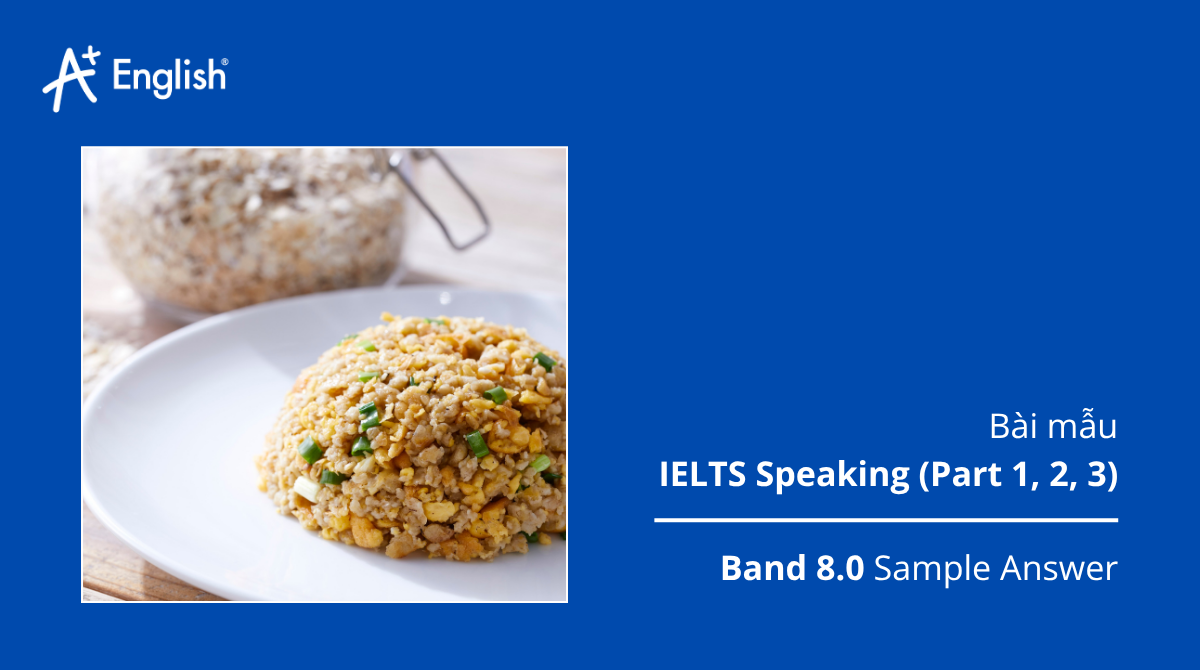
Task 2Response (250 Words)One time, I had to cook dinner in a hurry. It was because my parents were stuck in traffic and couldn’t make it home on time to cook. My younger sister was hungry and getting a bit cranky, so I had to step in. Cooking dinner isn’t usually a big deal, but this time, I felt like I was racing against the clock. I decided to make fried rice since it’s quick and easy. As they say, “necessity is the mother of invention,” and I had to think on my feet. I quickly grabbed some leftover rice, eggs, and vegetables from the fridge. While the oil was heating up, I prepared the ingredients as fast as I could. It felt like I was in a real-life cooking competition. Thankfully, everything went smoothly, and the fried rice turned out better than I expected. My sister even said it tasted as good as our mom’s cooking! That moment was a silver lining in a stressful situation. However, after the rush, I felt drained, like I’d been burning the candle at both ends. Reflecting on the experience, I realized how important it is to stay calm under pressure. I learned that “when life gives you lemons, make lemonade” – or in this case, fried rice. Despite the chaos, I felt a sense of accomplishment knowing I could handle the situation. |
Task 3Detailed Answers with Specific Reasons Arriving Late Do you think it’s OK to arrive late when meeting a friend?Not really. Being late can come across as disrespectful because it suggests you don’t value the other person’s time. Of course, exceptions can be made if there’s a valid reason, like unexpected traffic or an emergency. But otherwise, punctuality shows responsibility and thoughtfulness. What should happen to people who arrive late for work?I think there should be a system in place to address lateness, such as verbal warnings for occasional delays. However, chronic lateness might call for stricter measures, like deductions in salary. After all, as the saying goes, “time is money,” and being consistently late could disrupt workplace productivity. Can you suggest how people can make sure they don’t arrive late?To avoid being late, people could “get their ducks in a row” by preparing ahead of time. Setting alarms or reminders, planning routes in advance, and accounting for unexpected delays are effective strategies. Also, having a habit of leaving early, even by 10 minutes, can make a world of difference. Managing Study Time Is it better to study for long periods or in shorter blocks of time?Shorter blocks of time are more effective because they help maintain focus and prevent burnout. For example, using the Pomodoro technique – 25 minutes of work followed by a short break – can boost productivity. “All work and no play makes Jack a dull boy,” so having breaks is essential. What are the likely effects of students not managing their study time well?Poor time management often leads to stress and lower academic performance. Students might find themselves “burning the midnight oil” before exams, which isn’t sustainable. It can also harm their health, as lack of sleep and constant stress take a toll on both mind and body. How important is it for students to have enough leisure time?Leisure time is crucial for students. It’s a chance to recharge and pursue hobbies, which keeps them balanced and motivated. “All work and no play” can lead to mental exhaustion. In fact, having a hobby or spending time with friends can act as a “breath of fresh air,” boosting creativity and productivity. |
Dịch
| Task 1
Do you think it’s better to use a paper map or a map on your phone? [Why?] When was the last time you needed to use a map? [Why/Why not?] If you visit a new city, do you always use a map to find your way around? [Why/Why not?] In general, do you find it easy to read maps? [Why/Why not?] |
| Task 2
Một lần nọ, tôi phải nấu bữa tối trong vội vàng. Lý do là bố mẹ tôi bị kẹt xe và không thể về nhà kịp để nấu ăn. Em gái tôi đói và bắt đầu trở nên khó chịu, vì vậy tôi phải đảm nhận việc nấu nướng. Việc nấu ăn thường không phải là vấn đề lớn, nhưng lần này, tôi cảm thấy như mình đang chạy đua với thời gian. Tôi quyết định làm cơm chiên vì món này nhanh và dễ. Như người ta nói, “cái khó ló cái khôn,” và tôi buộc phải ứng biến. Tôi nhanh chóng lấy cơm thừa, trứng và rau từ tủ lạnh. Trong khi dầu đang nóng, tôi chuẩn bị nguyên liệu nhanh nhất có thể. Cảm giác như tôi đang tham gia một cuộc thi nấu ăn thực sự. May mắn thay, mọi việc diễn ra suôn sẻ và món cơm chiên ngon hơn tôi mong đợi. Em gái tôi thậm chí còn nói rằng nó ngon như món mẹ nấu! Khoảnh khắc đó giống như một điểm sáng giữa tình huống căng thẳng. Tuy nhiên, sau khi vội vàng, tôi cảm thấy kiệt sức, như thể mình đã làm việc quá sức. Nhìn lại, tôi nhận ra tầm quan trọng của việc giữ bình tĩnh khi chịu áp lực. Tôi học được rằng “khi cuộc sống đưa bạn chanh, hãy làm nước chanh” – hoặc trong trường hợp này là cơm chiên. Dù mọi thứ có hỗn loạn, tôi vẫn cảm thấy tự hào vì đã xử lý được tình huống. |
| Task 3
Arriving Late Do you think it’s OK to arrive late when meeting a friend? What should happen to people who arrive late for work? Can you suggest how people can make sure they don’t arrive late? Managing Study Time Is it better to study for long periods or in shorter blocks of time? What are the likely effects of students not managing their study time well? How important is it for students to have enough leisure time? |
4. Từ vựng (Vocabulary)
- underestimate /ˌʌn.dərˈes.tɪ.meɪt/ (C1) (v): đánh giá thấp
Collocations: underestimate the impact (đánh giá thấp tác động), underestimate someone’s ability (đánh giá thấp khả năng của ai)
Câu ví dụ: People often underestimate how challenging cooking under pressure can be.
Dịch câu: Mọi người thường đánh giá thấp mức độ thử thách của việc nấu ăn trong áp lực. - juggle /ˈdʒʌɡ.l̩/ (C1) (v): xoay xở nhiều việc cùng lúc
Collocations: juggle responsibilities (xoay xở trách nhiệm), juggle tasks (xoay xở công việc)
Câu ví dụ: I was juggling chopping vegetables, frying the rice, and keeping my sister entertained.
Dịch câu: Tôi đang xoay xở việc thái rau, chiên cơm, và giữ cho em gái vui vẻ. - recharge /ˌriːˈtʃɑːdʒ/ (C1) (v): nạp lại năng lượng
Collocations: recharge energy (nạp lại năng lượng), recharge your mind (làm mới đầu óc)
Câu ví dụ: Leisure time gives students a chance to recharge.
Dịch câu: Thời gian giải trí giúp học sinh có cơ hội nạp lại năng lượng. - consequence /ˈkɒn.sɪ.kwəns/ (C1) (n): hậu quả
Collocations: serious consequences (hậu quả nghiêm trọng), face consequences (đối mặt với hậu quả)
Câu ví dụ: People who are late should face consequences based on their reasons.
Dịch câu: Những người đến muộn nên đối mặt với hậu quả dựa trên lý do của họ. - flexible /ˈflek.sə.bl̩/ (C1) (adj): linh hoạt
Collocations: flexible approach (cách tiếp cận linh hoạt), flexible schedule (lịch trình linh hoạt)
Câu ví dụ: Shorter blocks of time are more flexible and effective.
Dịch câu: Các khoảng thời gian học ngắn hơn thì linh hoạt và hiệu quả hơn. - navigate /ˈnæv.ɪ.ɡeɪt/ (C1) (v): điều hướng
Collocations: navigate a map (điều hướng bản đồ), navigate challenges (vượt qua thử thách)
Câu ví dụ: I prefer using a map on my phone because it helps me navigate easily.
Dịch câu: Tôi thích sử dụng bản đồ trên điện thoại vì nó giúp tôi điều hướng dễ dàng hơn. - unavoidable /ˌʌn.əˈvɔɪ.də.bl̩/ (C1) (adj): không thể tránh khỏi
Collocations: unavoidable delays (sự chậm trễ không thể tránh khỏi), unavoidable situation (tình huống không thể tránh khỏi)
Câu ví dụ: Sometimes, arriving late is unavoidable due to traffic.
Dịch câu: Đôi khi, việc đến muộn là không thể tránh khỏi do giao thông. - overwhelmed /ˌəʊ.vəˈwelmd/ (C1) (adj): choáng ngợp
Collocations: feel overwhelmed (cảm thấy choáng ngợp), overwhelmed by work (choáng ngợp bởi công việc)
Câu ví dụ: Students may feel overwhelmed when they don’t manage their study time well.
Dịch câu: Học sinh có thể cảm thấy choáng ngợp khi không quản lý tốt thời gian học tập của mình. - productive /prəˈdʌk.tɪv/ (C1) (adj): hiệu quả, năng suất
Collocations: highly productive (rất năng suất), productive time (thời gian hiệu quả)
Câu ví dụ: Leisure activities can make students more productive.
Dịch câu: Các hoạt động giải trí có thể khiến học sinh làm việc hiệu quả hơn. - deadline /ˈded.laɪn/ (B2) (n): hạn chót
Collocations: meet deadlines (hoàn thành đúng hạn), tight deadlines (hạn chót gấp)
Câu ví dụ: Poor time management often leads to missed deadlines.
Dịch câu: Quản lý thời gian kém thường dẫn đến việc lỡ hạn chót.
5. Thành ngữ (Idioms)
Burning the candle at both ends : Làm việc quá sức, cạn kiệt sức lực.
Câu ví dụ: I felt like I was burning the candle at both ends to finish the meal on time.
Dịch câu: Tôi cảm giác mình đã làm việc quá sức để hoàn thành bữa ăn đúng giờ.
At the eleventh hour : Vào phút cuối.
Câu ví dụ: I realized at the eleventh hour that I hadn’t planned dinner.
Dịch câu: Tôi nhận ra vào phút cuối rằng mình chưa lên kế hoạch cho bữa tối.
Once in a blue moon : Hiếm khi.
Câu ví dụ: Cooking in a hurry happens to me once in a blue moon.
Dịch câu: Việc nấu ăn vội vàng với tôi hiếm khi xảy ra.
High and dry : Bị bỏ lại trong tình huống khó khăn.
Câu ví dụ: A friend might feel like they’re left high and dry if you arrive late.
Dịch câu: Một người bạn có thể cảm thấy như bị bỏ rơi trong tình huống khó khăn nếu bạn đến muộn.
Flogging a dead horse : Làm việc vô ích, không có kết quả.
Câu ví dụ: Studying for long hours without focus feels like flogging a dead horse.
Dịch câu: Học tập trong thời gian dài mà không tập trung giống như làm việc vô ích.
6. Ngữ pháp
Cấu trúc phức tạp
- Mệnh đề nhượng bộ:
- Công thức: Although/Even though + [subject] + [verb], [main clause].
- Nghĩa: Mặc dù… nhưng…
- Bối cảnh sử dụng: Được dùng để nhấn mạnh sự tương phản giữa hai ý.
- Câu ví dụ: Although the food wasn’t perfect, my sister enjoyed it.
- Dịch câu: Mặc dù món ăn không hoàn hảo, em gái tôi vẫn thích.
- Câu điều kiện loại 2:
- Công thức: If + [subject] + [past simple], [subject] + would + [base verb].
- Nghĩa: Nếu… thì sẽ… (điều kiện không có thật ở hiện tại).
- Bối cảnh sử dụng: Dùng để giả định tình huống không thực tế.
- Câu ví dụ: If I visited a new city, I would always use a map.
- Dịch câu: Nếu tôi đến một thành phố mới, tôi luôn sử dụng bản đồ.
- Cụm động từ (Phrasal verbs):
- Công thức: [Verb] + [preposition/adverb].
- Nghĩa: Biểu đạt ý nghĩa hành động cụ thể (thường khác nghĩa gốc).
- Bối cảnh sử dụng: Dùng trong văn phong nói hoặc viết thân mật.
- Câu ví dụ: I was running around like a headless chicken.
- Dịch câu: Tôi đã chạy đôn chạy đáo như một con gà mất đầu.
- Câu nhấn mạnh với It is/was … that:
- Công thức: It is/was + [emphasized part] + that + [rest of the sentence].
- Nghĩa: Chính… là…
- Bối cảnh sử dụng: Nhấn mạnh một thành phần trong câu.
- Câu ví dụ: It was last week that I had to cook dinner in a hurry.
- Dịch câu: Chính tuần trước tôi đã phải nấu bữa tối trong vội vàng.
- Mệnh đề quan hệ rút gọn:
- Công thức: [noun] + [present/past participle phrase].
- Nghĩa: Lược bỏ đại từ và động từ liên kết trong mệnh đề quan hệ.
- Bối cảnh sử dụng: Để câu súc tích hơn.
- Câu ví dụ: People arriving late should face consequences.
- Dịch câu: Những người đến muộn nên đối mặt với hậu quả.
7. Các hình thái thể hiện sự lưu loát
Use of Cohesive Devices
- Logical connectors:
- However: “However, in some situations, like being stuck in traffic…”
- Nevertheless: “Nevertheless, the experience wasn’t a total disaster.”
- Pronouns:
- Repeated use of pronouns for reference: “I used a map on my phone…”
- Conjunctions:
- Although, Because: Ensure logical flow between ideas.
Features of Spoken English
- Dừng câu để nhấn mạnh:
- Example: “The food wasn’t perfect. But it was edible.”
- Creates emphasis.
- Lên/xuống giọng trong câu trả lời:
- Rising intonation for uncertainty: “Maybe, I’d use a map?”
- Falling intonation for confidence: “I prefer using a phone map.”
- Âm nối, âm đuôi:
- Example: “It happens once in a blue moon” → Connected speech: /wʌnsɪnəbluːmuːn/.
8. Phát âm
Meaningful Utterances or Chunks
- Divide phrases into natural chunks:
- “Although the food wasn’t perfect | my sister enjoyed it.”
Use of Rhythm and Stress Timing
- Rhythm: Stress content words (food, perfect, enjoyed).
- Linking sounds: It_wasn’t (It + wasn’t).
Stress and Intonation
- Emphatic stress: “It’s NOT okay to arrive late.”
- Rising intonation for rhetorical questions: “Don’t you think it’s important?”
9. Bài luyện tập (Practice Exercise)
A. Dịch từ tiếng Việt sang tiếng Anh
B. Viết lại câu
|
| KEY
Bài tập dịch từ tiếng Việt qua tiếng Anh: I felt like I was burning the candle at both ends to finish everything. If I visited a new city, I would always use a map to navigate. Studying in shorter blocks of time is often more effective. Sometimes, arriving late is unavoidable due to unexpected situations. I realized at the eleventh hour that I hadn’t planned dinner. Bài tập viết lại câu: Although cooking under pressure is underestimated, it is a valuable skill. It is others’ time that people should respect. If deadlines didn’t approach, I wouldn’t feel overwhelmed. Students not managing time well feel stressed. The meal wasn’t perfect. Nevertheless, my sister enjoyed it. |
Sau khi tham khảo bài mẫu IELTS Speaking – Band 8.0, A+ English hy vọng các bạn sẽ hiểu rõ cách triển khai câu trả lời, phát triển ý tưởng mạch lạc. Đồng thời, các bạn cũng sẽ thu thập thêm nhiều từ vựng, cấu trúc hay và cách diễn đạt tự nhiên để áp dụng trong kỳ thi.
Nếu bạn đang tìm một khóa học IELTS chất lượng cao, phù hợp với trình độ của mình, hãy liên hệ ngay Tại đây để được tư vấn lộ trình học cá nhân hóa và nhận những tài liệu độc quyền mới nhất!
A+ English chúc các bạn học tập hiệu quả!