A+ English xin giới thiệu đến các bạn bài mẫu IELTS Speaking band 8.0 với những câu trả lời ấn tượng và tự nhiên, giúp thí sinh ghi điểm cao trong kỳ thi.
Bài mẫu không chỉ gợi ý cách triển khai ý tưởng mạch lạc mà còn cung cấp từ vựng phong phú, cấu trúc câu đa dạng và cách diễn đạt tự nhiên, giúp bạn tự tin giao tiếp và thuyết phục giám khảo.
Hãy cùng khám phá ngay để nâng tầm kỹ năng Speaking của bạn nhé!
1. Đề bài IELTS Speaking (Assignment)
| PART 1
The examiner asks you about yourself, your home, work or studies and other familiar topics. EXAMPLE Reading Did you have a favourite book when you were a child? [Why/Why not?] How much reading do you do for your work/studies? [Why/Why not?] What kinds of books do you read for pleasure? [Why/Why not?] Do you prefer to read a newspaper or a magazine online, or to buy a copy? [Why?] |
| PART 2
Describe a big city you would like to visit. You should say:
and explain why you would like to visit this big city. |
| PART 3 Discussion topics:
Visiting cities on holiday Example questions: What are the most interesting things to do while visiting cities on holiday? Why can it be expensive to visit cities on holiday? Do you think it is better to visit cities alone or in a group with friends? The growth of cities Example questions: Why have cities increased in size in recent years? What are the challenges created by ever-growing cities? In what ways do you think cities of the future will be different to cities today? |
Source: CAMBRIDGE 17 TEST 2
2. Phân tích câu hỏi – Lập dàn ý (Analyze the topic – Outline)
PART 1 Reading
Did you have a favourite book when you were a child? [Why/Why not?]
- Introduction: Yes, I had a favorite book when I was a child.
- Details:
- The book was Harry Potter and the Philosopher’s Stone (or replace with another book you enjoyed).
- I loved the magical world, relatable characters, and exciting plot.
- Reason: It encouraged my imagination and made me love reading.
- Example: I remember spending hours imagining myself at Hogwarts.
How much reading do you do for your work/studies? [Why/Why not?]
- Introduction: I read quite a lot for my studies.
- Details:
- Academic reading includes textbooks, research articles, and study guides.
- These materials are necessary for assignments and exams.
- Reason: Reading helps me gain knowledge and perform well academically.
- Example: For instance, I spend 2-3 hours daily reading my course materials.
What kinds of books do you read for pleasure? [Why/Why not?]
- Introduction: I enjoy reading novels and self-help books.
- Details:
- Novels allow me to escape reality and relax.
- Self-help books provide motivation and practical advice.
- Reason: They help me unwind and improve myself.
- Example: One of my favorite novels is The Great Gatsby, and I recently read Atomic Habits.
Do you prefer to read a newspaper or a magazine online, or to buy a copy? [Why?]
- Introduction: I prefer reading online.
- Details:
- It’s more convenient to access content anywhere.
- Online versions are often updated in real time.
- Reason: It saves money and is eco-friendly.
- Example: I read BBC News or The Guardian on my smartphone.
PART 2: Describe a big city you would like to visit
Which big city you would like to visit
- Point: I would love to visit Tokyo, Japan.
- Details: Tokyo is a bustling city with a mix of modern and traditional culture.
How you would travel there
- Point: I would travel by plane.
- Details:
- A direct flight from my country would be the most practical option.
- The journey might take around 6–8 hours, depending on the airline.
What you would do there
- Point: I would explore famous landmarks and try local food.
- Details:
- Visit places like Shibuya Crossing, Tokyo Tower, and Meiji Shrine.
- Enjoy traditional Japanese dishes such as sushi, ramen, and tempura.
- Shop in districts like Akihabara for electronics and Harajuku for fashion.
Why you would like to visit this big city
- Point: Tokyo fascinates me because of its vibrant culture and technological advancements.
- Details:
- I admire the city’s clean, efficient infrastructure and the hospitality of the locals.
- The combination of ancient traditions and modern innovations makes it unique.
PART 3: Discussion Topics
Visiting Cities on Holiday
What are the most interesting things to do while visiting cities on holiday?
- Point: Explore historical sites, cultural events, and try local cuisines.
- Details:
- Visiting museums and landmarks like the Eiffel Tower or Big Ben.
- Attending festivals or exhibitions to learn about the local culture.
- Trying regional dishes or street food.
Why can it be expensive to visit cities on holiday?
- Point: High costs of accommodation, transportation, and entertainment.
- Details:
- Hotels in popular cities are often overpriced.
- Tickets for attractions or guided tours can add up.
- Dining in city centers or tourist hubs is more costly.
Do you think it is better to visit cities alone or in a group with friends?
- Point: Visiting in a group is better for shared experiences.
- Details:
- It’s more fun to explore new places together and share expenses.
- However, traveling alone offers more flexibility and independence.
The Growth of Cities
Why have cities increased in size in recent years?
- Point: Urbanization driven by job opportunities and better living standards.
- Details:
- Rural residents migrate to cities for employment.
- Improved healthcare and education attract people to urban areas.
What are the challenges created by ever-growing cities?
- Point: Overcrowding, pollution, and strained infrastructure.
- Details:
- Traffic congestion and housing shortages.
- Increased air and water pollution.
- Pressure on public services like schools and hospitals.
In what ways do you think cities of the future will be different to cities today?
- Point: They will likely be smarter and more eco-friendly.
- Details:
- Use of AI for traffic management and public services.
- Renewable energy sources and sustainable building designs.
- Enhanced public transportation systems like hyperloop trains.
3. Bài Mẫu (Sample Essay) Band 8.0+
Task 1Did you have a favourite book when you were a child? [Why/Why not?]Yes, I had a favorite book when I was a child. It was Harry Potter and the Philosopher’s Stone. I loved the magical world, relatable characters, and exciting story. It encouraged my imagination, and I remember pretending to be a Hogwarts student for hours. How much reading do you do for your work/studies? [Why/Why not?]I read a lot for my studies, like textbooks and study guides. These materials are important for assignments and exams. For example, I usually spend 2-3 hours daily reading course materials to understand the topics better. What kinds of books do you read for pleasure? [Why/Why not?]I enjoy reading novels and self-help books. Novels let me escape reality and relax, while self-help books give me practical advice. For instance, I liked The Great Gatsby for its story and Atomic Habits for its tips on building good habits. Do you prefer to read a newspaper or a magazine online, or to buy a copy? [Why?]I prefer reading online because it’s more convenient and eco-friendly. Online content is updated in real time and saves money. I often read BBC News or The Guardian on my phone |
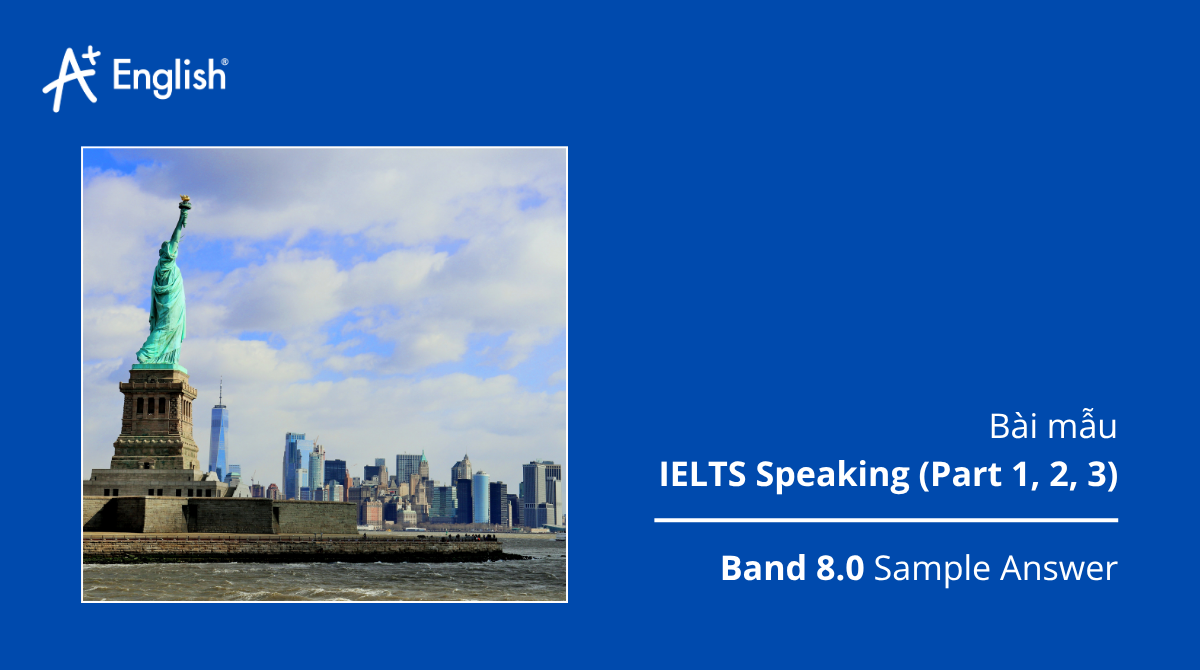
Task 2Describe a big city you would like to visit.If given the chance, I’d love to visit New York City, often called “the city that never sleeps.” For someone like me who rarely goes out, it seems like an exciting and completely different world. I’d probably take a direct flight, even though it might cost an arm and a leg. Once I get there, my plan would be to explore Times Square, a place that’s always bustling and alive. I imagine it’s a sight for sore eyes. Another thing on my bucket list would be visiting Central Park. Although I’m not much of an outdoor person, walking through its iconic paths would be a breath of fresh air. And, of course, I couldn’t miss trying authentic New York-style pizza. They say it’s to die for, and I wouldn’t want to miss out. What draws me to New York is its diversity and energy. It’s a melting pot of cultures where you can find something for everyone. Even though I’m introverted, I think experiencing the hustle and bustle of such a dynamic city could push me out of my comfort zone. All things considered, New York would be the perfect place to visit if I want to broaden my horizons. After all, they say, “Travel is the only thing you buy that makes you richer,” and this city would undoubtedly be worth it. |
Task 3Visiting Cities on Holiday What are the most interesting things to do while visiting cities on holiday?Well, I suppose it depends on the city, but generally speaking, there’s always something for everyone. For me, if I visited a big city, I’d prioritize its iconic landmarks or unique attractions. Take Tokyo, for example. Visiting a district like Akihabara would be right up my alley—it’s a hotspot for gamers and anime enthusiasts. That said, trying local food is also a must. Food isn’t just fuel; it’s an experience that helps you understand the culture better. Exploring museums or parks could also be fascinating. Even though I’m not much of an outdoor person, I believe a walk in a park like New York’s Central Park or London’s Hyde Park could be a great way to recharge. To top it off, capturing moments with a camera is another thing I’d love—memories fade, but pictures last forever. Why can it be expensive to visit cities on holiday?There’s no sugarcoating it—city holidays can burn a hole in your pocket. A significant chunk of the expenses comes from accommodation; hotels in popular cities charge an arm and a leg, especially during peak seasons. Then there’s transportation. Getting around a sprawling city like Paris or Tokyo can quickly add up, even if public transport is affordable. Food is another story. While street food might be budget-friendly, dining in restaurants, particularly in touristy areas, is often daylight robbery. Not to mention, entrance fees for major attractions like theme parks or landmarks can cost a pretty penny. It’s all about knowing where to splurge and where to save. Do you think it is better to visit cities alone or in a group with friends?This is a tough nut to crack, but I’d say visiting in a group with friends has more advantages. It’s true that traveling alone gives you more freedom and flexibility; you can do things at your own pace without having to compromise. However, having friends around makes the journey more fun and memorable. When you’re in a group, you can split costs for things like accommodation and transportation, which is a win-win situation. Besides, friends often act as a safety net—if you get lost or face challenges, there’s always someone to lean on. As they say, “A journey is best measured in friends, not miles.” The Growth of Cities Why have cities increased in size in recent years?Cities have expanded rapidly in recent years, primarily due to urbanization, which is driven by better opportunities and improved living conditions. People from rural areas are drawn to cities like moths to a flame, seeking higher-paying jobs and a chance to enhance their quality of life. For instance, urban areas often have a wider variety of industries and services, which can provide more stable employment. Moreover, cities generally offer better access to healthcare and education. High-quality hospitals and schools act as magnets, pulling families from smaller towns. Take Ho Chi Minh City as an example—many rural residents relocate here because of its advanced medical facilities and prestigious schools. In a way, cities symbolize a ladder to success, making it hard for people to resist the pull. Still, it’s not all sunshine and roses; the downside of rapid urbanization becomes evident in its challenges, which we’ll discuss next. What are the challenges created by ever-growing cities?The rapid growth of cities brings with it a mixed bag of opportunities and challenges. One major issue is overcrowding, which leads to housing shortages and inflated rental costs. Finding a decent place to live can sometimes feel like searching for a needle in a haystack. Another challenge is traffic congestion. During rush hours in Ho Chi Minh City, for example, the roads can turn into a parking lot. The sheer number of vehicles not only wastes time but also causes a spike in air pollution, making it harder for residents to breathe clean air. Water pollution is another can of worms, especially with industries dumping waste into rivers. Lastly, the strain on public services is a thorn in the side of local governments. Schools, hospitals, and transportation systems often struggle to meet the demands of an ever-growing population. If nothing changes, these issues will become the tip of the iceberg for urban development. In what ways do you think cities of the future will be different from cities today?Looking ahead, I believe cities of the future will be smarter and greener, thanks to advancements in technology and a greater focus on sustainability. One major change will likely involve artificial intelligence (AI) managing traffic and public services. For instance, smart traffic lights could significantly reduce congestion by adjusting to real-time road conditions. Another development will be the widespread adoption of renewable energy sources. Imagine a city where most buildings have solar panels and wind turbines—this could reduce our reliance on fossil fuels and create a much cleaner environment. Sustainable architectural designs, like vertical gardens or zero-energy buildings, could also become the norm. Public transportation will also undergo a revolution. With technologies like hyperloop trains, commuting might become faster and more efficient. This would kill two birds with one stone: cutting down on pollution and easing congestion. In short, the cities of the future may feel like something straight out of a sci-fi movie, offering a breath of fresh air compared to today’s urban challenges. |
Dịch
| Task 1
Did you have a favourite book when you were a child? [Why/Why not?] Có, tôi có một cuốn sách yêu thích khi còn nhỏ. Đó là Harry Potter và Hòn Đá Phù Thủy. Tôi yêu thích thế giới phép thuật, các nhân vật gần gũi và câu chuyện hấp dẫn. Nó kích thích trí tưởng tượng của tôi, và tôi nhớ đã giả vờ làm học sinh của Hogwarts hàng giờ đồng hồ. How much reading do you do for your work/studies? [Why/Why not?] Tôi đọc rất nhiều sách phục vụ cho việc học, như sách giáo khoa và tài liệu hướng dẫn học tập. Những tài liệu này rất quan trọng cho các bài tập và kỳ thi. Ví dụ, tôi thường dành 2-3 tiếng mỗi ngày để đọc tài liệu khóa học nhằm hiểu rõ hơn về các chủ đề. What kinds of books do you read for pleasure? [Why/Why not?] Tôi thích đọc tiểu thuyết và sách tự lực. Tiểu thuyết giúp tôi thoát khỏi thực tại và thư giãn, trong khi sách tự lực cung cấp những lời khuyên hữu ích. Ví dụ, tôi thích The Great Gatsby vì câu chuyện của nó và Atomic Habits vì các mẹo xây dựng thói quen tốt. Do you prefer to read a newspaper or a magazine online, or to buy a copy? [Why?] Tôi thích đọc trực tuyến hơn vì tiện lợi và thân thiện với môi trường. Nội dung trực tuyến được cập nhật theo thời gian thực và tiết kiệm chi phí. Tôi thường đọc BBC News hoặc The Guardian trên điện thoại. |
| Task 2
Mô tả một thành phố lớn bạn muốn ghé thăm Nếu có cơ hội, tôi muốn đến thăm thành phố New York, thường được gọi là “thành phố không bao giờ ngủ.” Đối với người ít ra ngoài như tôi, đó dường như là một thế giới thú vị và hoàn toàn khác biệt. Tôi có lẽ sẽ chọn bay thẳng, dù giá vé có thể rất đắt đỏ. Khi đến đó, kế hoạch của tôi sẽ là khám phá Quảng trường Thời đại, một nơi luôn nhộn nhịp và sống động. Tôi tưởng tượng nó là một cảnh tượng mãn nhãn. Một điều khác trong danh sách mong muốn của tôi là thăm Công viên Trung tâm. Mặc dù tôi không phải người thích hoạt động ngoài trời, đi dạo qua những con đường mang tính biểu tượng ở đây sẽ là một làn gió mới. Và tất nhiên, tôi không thể bỏ lỡ việc thử pizza phong cách New York chính gốc. Người ta nói nó rất ngon, và tôi không muốn bỏ qua. Điều thu hút tôi ở New York là sự đa dạng và năng lượng. Đây là một nơi hội tụ nhiều nền văn hóa, nơi mà bạn có thể tìm thấy thứ gì đó phù hợp với mọi người. Dù tôi là người hướng nội, tôi nghĩ việc trải nghiệm sự nhộn nhịp của một thành phố năng động như vậy có thể giúp tôi vượt ra khỏi vùng an toàn của mình. Tóm lại, New York sẽ là điểm đến hoàn hảo nếu tôi muốn mở mang tầm mắt. Như người ta thường nói, “Du lịch là thứ duy nhất bạn mua mà khiến bạn giàu có hơn,” và thành phố này chắc chắn đáng giá. |
| Task 3
Visiting Cities on Holiday What are the most interesting things to do while visiting cities on holiday? Tôi cho rằng điều đó phụ thuộc vào từng thành phố, nhưng nói chung luôn có thứ gì đó cho mọi người. Đối với tôi, nếu thăm một thành phố lớn, tôi sẽ ưu tiên các địa danh mang tính biểu tượng hoặc những điểm tham quan độc đáo. Chẳng hạn, nếu đến Tokyo, tôi sẽ ghé thăm khu Akihabara—thiên đường cho những người yêu thích game và anime. Ngoài ra, việc thử ẩm thực địa phương cũng là một điều không thể bỏ qua. Ẩm thực không chỉ là nhiên liệu; nó là một trải nghiệm giúp bạn hiểu rõ hơn về văn hóa. Why can it be expensive to visit cities on holiday? Không thể phủ nhận—du lịch thành phố có thể tốn kém. Một phần lớn chi phí đến từ chỗ ở; các khách sạn ở các thành phố nổi tiếng thường tính giá rất cao, đặc biệt vào mùa cao điểm. Phí di chuyển trong các thành phố lớn như Paris hay Tokyo cũng nhanh chóng tăng lên, ngay cả khi phương tiện công cộng có giá cả phải chăng. Do you think it is better to visit cities alone or in a group with friends? Đây là một câu hỏi khó, nhưng tôi nghĩ đi cùng bạn bè có nhiều lợi thế hơn. Mặc dù đi một mình cho phép bạn tự do hơn, có bạn bè đồng hành khiến chuyến đi thêm vui và đáng nhớ. The Growth of Cities Why have cities increased in size in recent years? Các thành phố đã mở rộng nhanh chóng trong những năm gần đây, chủ yếu là do quá trình đô thị hóa, điều này được thúc đẩy bởi cơ hội việc làm tốt hơn và điều kiện sống cải thiện. Người dân từ các khu vực nông thôn bị thu hút vào các thành phố như những con bướm bay vào ánh sáng, tìm kiếm những công việc có lương cao hơn và cơ hội nâng cao chất lượng cuộc sống. Ví dụ, các khu vực đô thị thường có sự đa dạng về ngành nghề và dịch vụ, có thể cung cấp công việc ổn định hơn. Hơn nữa, các thành phố nói chung cung cấp quyền tiếp cận tốt hơn đến chăm sóc sức khỏe và giáo dục. Các bệnh viện và trường học chất lượng cao giống như những thỏi nam châm, thu hút các gia đình từ các thị trấn nhỏ. Lấy Thành phố Hồ Chí Minh làm ví dụ—nhiều cư dân nông thôn chuyển đến đây vì các cơ sở y tế tiên tiến và các trường học uy tín. Theo một cách nào đó, các thành phố tượng trưng cho một bậc thang dẫn đến thành công, khiến người ta khó lòng từ chối sự hấp dẫn này. Tuy nhiên, không phải mọi thứ đều tốt đẹp; mặt trái của sự đô thị hóa nhanh chóng sẽ trở nên rõ ràng qua những thách thức mà chúng ta sẽ thảo luận tiếp theo. What are the challenges created by ever-growing cities? Sự phát triển nhanh chóng của các thành phố mang lại một loạt cơ hội và thách thức. Một vấn đề lớn là sự quá tải dân số, dẫn đến thiếu hụt nhà ở và chi phí thuê nhà tăng vọt. Việc tìm kiếm một nơi ở thích hợp đôi khi giống như việc tìm kiếm kim trong hay. Một thách thức khác là tắc nghẽn giao thông. Trong giờ cao điểm ở Thành phố Hồ Chí Minh, ví dụ, các con đường có thể trở thành một bãi đậu xe. Sự gia tăng số lượng phương tiện không chỉ gây lãng phí thời gian mà còn làm tăng ô nhiễm không khí, khiến người dân khó thở không khí sạch. Ô nhiễm nguồn nước là một vấn đề khác, đặc biệt là khi các ngành công nghiệp xả thải vào sông. Cuối cùng, sự căng thẳng đối với các dịch vụ công cộng là một vấn đề nhức nhối đối với chính quyền địa phương. Các trường học, bệnh viện và hệ thống giao thông công cộng thường gặp khó khăn trong việc đáp ứng nhu cầu của một dân số ngày càng tăng. Nếu không có sự thay đổi, những vấn đề này sẽ chỉ là phần nổi của tảng băng chìm trong phát triển đô thị. In what ways do you think cities of the future will be different from cities today? Nhìn về tương lai, tôi tin rằng các thành phố sẽ thông minh hơn và xanh hơn nhờ vào những tiến bộ trong công nghệ và sự tập trung nhiều hơn vào tính bền vững. Một thay đổi lớn có thể sẽ là việc trí tuệ nhân tạo (AI) quản lý giao thông và các dịch vụ công cộng. Chẳng hạn, các đèn giao thông thông minh có thể giảm đáng kể tình trạng tắc nghẽn bằng cách điều chỉnh theo điều kiện thực tế trên đường. Một sự phát triển khác sẽ là việc áp dụng rộng rãi các nguồn năng lượng tái tạo. Hãy tưởng tượng một thành phố nơi hầu hết các tòa nhà đều có tấm pin năng lượng mặt trời và tua-bin gió—điều này có thể giảm sự phụ thuộc của chúng ta vào nhiên liệu hóa thạch và tạo ra một môi trường trong lành hơn. Các thiết kế kiến trúc bền vững, như vườn đứng hay tòa nhà không tiêu hao năng lượng, cũng có thể trở thành tiêu chuẩn. Phương tiện giao thông công cộng cũng sẽ trải qua một cuộc cách mạng. Với các công nghệ như tàu siêu tốc Hyperloop, việc đi lại có thể trở nên nhanh chóng và hiệu quả hơn. Điều này sẽ giải quyết đồng thời hai vấn đề: giảm ô nhiễm và giảm tắc nghẽn.Tóm lại, các thành phố của tương lai có thể giống như bước ra từ một bộ phim khoa học viễn tưởng, mang lại một làn gió mới so với những thách thức đô thị hiện nay. |
4. Từ vựng (Vocabulary)
- Urbanization /ˌɜː.bən.aɪˈzeɪ.ʃən/- (C1,N) : Đô thị hóa
Collocations: Rapid urbanization (Đô thị hóa nhanh chóng), Urbanization process (Quá trình đô thị hóa)
Câu ví dụ: The rapid urbanization of many cities has brought both opportunities and challenges.
Dịch câu: Sự đô thị hóa nhanh chóng ở nhiều thành phố đã mang lại cả cơ hội lẫn thách thức. - Sustainability /səˌsteɪ.nəˈbɪl.ə.ti/ – (C1,N) : Sự bền vững
Collocations:Environmental sustainability (Sự bền vững môi trường), Sustainability efforts (Nỗ lực bền vững)
Câu ví dụ: Sustainability is a key factor in future city planning.
Dịch câu: Sự bền vững là yếu tố quan trọng trong việc quy hoạch thành phố tương lai.
5. Thành ngữ (Idioms)
- Like moths to a flame : Bị thu hút một cách mãnh liệt
Câu ví dụ: People are drawn to cities like moths to a flame due to better opportunities.
Dịch câu: Mọi người bị thu hút đến các thành phố như thiêu thân vì những cơ hội tốt hơn. - Sunshine and roses : Mọi thứ đều thuận lợi và tốt đẹp
Câu ví dụ: It’s not all sunshine and roses in big cities; challenges do exist.
Dịch câu: Không phải mọi thứ đều suôn sẻ và đẹp đẽ ở các thành phố lớn; vẫn có những thách thức. - Tip of the iceberg : Phần nổi của vấn đề lớn hơn
Câu ví dụ: Traffic congestion is just the tip of the iceberg when it comes to urban challenges.
Dịch câu: Tắc nghẽn giao thông chỉ là phần nổi của tảng băng chìm khi nói về thách thức đô thị. - Kill two birds with one stone : Một mũi tên trúng hai đích
Câu ví dụ: Investing in public transport kills two birds with one stone—less traffic and pollution.
Dịch câu: Đầu tư vào giao thông công cộng giải quyết được hai vấn đề—ít tắc nghẽn hơn và ít ô nhiễm hơn. - Breath of fresh air : Một sự thay đổi tích cực, mới mẻ
Câu ví dụ: Future cities could be a breath of fresh air compared to today’s crowded urban areas.
Dịch câu: Các thành phố tương lai có thể là một làn gió mới so với các khu đô thị đông đúc ngày nay.
6. Ngữ pháp
1. Câu điều kiện loại 1 (First Conditional)
- Công thức chung: If + Present Simple, will + base verb
- Nghĩa tiếng Việt: Câu điều kiện loại 1 diễn tả một tình huống có thể xảy ra trong tương lai, có thể thực hiện nếu điều kiện xảy ra.
- Bối cảnh sử dụng: Dùng để dự đoán, cảnh báo, hoặc diễn tả sự chắc chắn.
- Câu ví dụ: If the government invests in renewable energy, it will reduce pollution.
- Dịch câu: Nếu chính phủ đầu tư vào năng lượng tái tạo, nó sẽ giảm ô nhiễm.
2. Câu điều kiện loại 2 (Second Conditional)
- Công thức chung: If + Past Simple, would + base verb
- Nghĩa tiếng Việt: Câu điều kiện loại 2 diễn tả một tình huống không thực tế hoặc khó xảy ra ở hiện tại hoặc tương lai.
- Bối cảnh sử dụng: Dùng để tưởng tượng hoặc phỏng đoán những điều không có thật.
- Câu ví dụ: If cities used renewable energy, they would be much cleaner.
- Dịch câu: Nếu các thành phố sử dụng năng lượng tái tạo, chúng sẽ sạch hơn nhiều.
3. Động từ khiếm khuyết (Modal Verbs)
- Công thức chung: Modal verb (can, could, may, might, should, must) + base verb
- Nghĩa tiếng Việt: Động từ khiếm khuyết là các động từ không có sự biến đổi theo thì, dùng để thể hiện khả năng, sự yêu cầu, lời khuyên, hoặc sự chắc chắn.
- Bối cảnh sử dụng: Dùng để nói về các khả năng, yêu cầu hoặc lời khuyên.
- Câu ví dụ: Cities should invest more in public transportation.
- Dịch câu: Các thành phố nên đầu tư nhiều hơn vào giao thông công cộng.
4. Mệnh đề quan hệ (Relative Clauses)
- Công thức chung: Relative pronoun (who, which, that, whose) + subject + verb
- Nghĩa tiếng Việt: Mệnh đề quan hệ giúp cung cấp thông tin bổ sung về một danh từ.
- Bối cảnh sử dụng: Dùng để giải thích hoặc mô tả thêm về người, vật, hoặc sự việc.
- Câu ví dụ: The city, which has a growing population, needs better infrastructure.
- Dịch câu: Thành phố, nơi có dân số đang gia tăng, cần cải thiện cơ sở hạ tầng.
5. Câu phủ định (Negative Sentences)
- Công thức chung: Subject + auxiliary verb (do/does/did) + not + base verb
- Nghĩa tiếng Việt: Câu phủ định được dùng để phủ định một hành động hoặc sự kiện.
- Bối cảnh sử dụng: Dùng khi muốn khẳng định rằng điều gì đó không xảy ra.
- Câu ví dụ: Cities in the past did not have the same level of pollution as they do today.
- Dịch câu: Các thành phố trong quá khứ không có mức độ ô nhiễm giống như ngày nay.
7. Các hình thái thể hiện sự lưu loát
Use of Cohesive Devices within and between Sentences
- Logical connectors: Những từ hoặc cụm từ như “however,” “therefore,” “as a result,” và “for instance” giúp nối kết các câu và các phần trong bài nói hoặc văn bản.
- Pronouns: Những đại từ như “it,” “they,” “this,” “which” giúp thay thế danh từ và tránh lặp lại.
- Conjunctions: “And,” “but,” “so,” “because,” và “although” giúp kết nối các phần câu hoặc ý tưởng trong một câu.
Câu trả lời có tính văn phong ngôn ngữ đặc thù
- Ngừng câu tại dấu câu để nhấn mạnh: Trong văn nói, có thể ngừng một chút ở các dấu chấm, phẩy để làm rõ ý.
- Lên/xuống giọng: Trong khi trả lời, có thể lên giọng ở câu hỏi và xuống giọng ở câu khẳng định.
- Âm nối: Các âm như /tʃ/ và /dʒ/ trong từ “which” hoặc “as” có thể được nối mượt mà khi nói nhanh.
8. Phát âm
Gợi ý meaningful utterances or chunks
- “Rapid urbanization” /ˈræpɪd ˌɜːbənʌɪˈzeɪʃən/
- “Public transportation” /ˈpʌblɪk ˌtrænspɔːˈteɪʃən/
- “Renewable energy” /rɪˈnjuːəbl ˈɛnədʒi/
- “Increased pollution” /ɪnˈkriːst pəˈluːʃən/
Rhythm and Stress Timing
- Stress: Mỗi từ trong câu cần có trọng âm rõ ràng. Ví dụ, trong cụm “public transportation,” trọng âm rơi vào từ “trans” và “por.”
- Linking of sounds (Elision): Ví dụ: “What are” có thể phát âm nhanh thành “wha’ are.”
- Intonation: Đối với các câu hỏi, giọng sẽ lên vào cuối câu, trong khi đối với câu khẳng định, giọng sẽ xuống.
9. Bài luyện tập (Practice Exercise)
Bài tập dịch từ tiếng Việt qua tiếng Anh:
Bài tập viết lại câu áp dụng các ngữ pháp và từ vựng học ở trên:
|
| KEY
Bài tập dịch từ tiếng Việt qua tiếng Anh:
Bài tập viết lại câu:
|
Sau khi tham khảo bài mẫu IELTS Speaking – Band 8.0, A+ English hy vọng các bạn sẽ hiểu rõ cách triển khai câu trả lời, phát triển ý tưởng mạch lạc. Đồng thời, các bạn cũng sẽ thu thập thêm nhiều từ vựng, cấu trúc hay và cách diễn đạt tự nhiên để áp dụng trong kỳ thi.
Nếu bạn đang tìm một khóa học IELTS chất lượng cao, phù hợp với trình độ của mình, hãy liên hệ ngay Tại đây để được tư vấn lộ trình học cá nhân hóa và nhận những tài liệu độc quyền mới nhất!
A+ English chúc các bạn học tập hiệu quả!