A+ English xin giới thiệu đến các bạn bài mẫu IELTS Speaking band 8.0 với những câu trả lời ấn tượng và tự nhiên, giúp thí sinh ghi điểm cao trong kỳ thi.
Bài mẫu không chỉ gợi ý cách triển khai ý tưởng mạch lạc mà còn cung cấp từ vựng phong phú, cấu trúc câu đa dạng và cách diễn đạt tự nhiên, giúp bạn tự tin giao tiếp và thuyết phục giám khảo.
Hãy cùng khám phá ngay để nâng tầm kỹ năng Speaking của bạn nhé!
1. Đề bài IELTS Speaking (Assignment)
| Task 1:
Did you like studying science when you were at school? [Why/Why not?] What do you remember about your science teachers at school? How interested are you in science now? [Why/Why not?] What do you think has been an important recent scientific development? [Why?] |
| Task 2:
Describe a tourist attraction in your country that you would recommend. You should say: what the tourist attraction is where in your country this tourist attraction is what visitors can see and do at this tourist attraction and explain why you would recommend this tourist attraction. |
| Task 3:
Museums and art galleries Ví dụ questions: What are the most popular museums and art galleries in … / where you live? Do you believe that all museums and art galleries should be free? What kinds of things make a museum or art gallery an interesting place to visit? The holiday industry Ví dụ questions: Why, do you think, do some people book package holidays rather than travelling independently? Would you say that large numbers of tourists cause problems for local people? What sort of impact can large holiday resorts have on the environment? |
Source: CAMBRIDGE 18 TEST 2
2. Phân tích câu hỏi – Lập dàn ý (Analyze the topic – Outline)
PART 1
Did you like studying science when you were at school? [Why/Why not?]
- Main Point: Yes, I found it fascinating.
- Reason: Science explains how the world works (e.g., nature, technology).
What do you remember about your science teachers at school?
- Main Point: They were engaging and supportive.
- Reason: Made complex topics relatable with experiments and real-world Ví dụs.
How interested are you in science now? [Why/Why not?]
- Main Point: Still quite interested.
- Reason: Science is constantly evolving and impacts daily life (e.g., health, environment).
What do you think has been an important recent scientific development? [Why?]
- Main Point: Advancements in renewable energy.
- Reason: They combat climate change and reduce reliance on fossil fuels.
PART 2: Describe a tourist attraction in your country that you would recommend.
What the tourist attraction is: Halong Bay (Vietnam).
Where in your country this tourist attraction is: Located in the northeast, Quang Ninh province.
What visitors can see and do at this tourist attraction: Boat tours, kayaking, visiting caves, and floating villages. Offers a mix of natural beauty and cultural experiences.
Why you would recommend this tourist attraction
- Main Point: Unique natural landscape and activities.
- Reason: It’s a must-visit for anyone interested in breathtaking views and adventure.
PART 3
Museums and Art Galleries
What are the most popular museums and art galleries in your area?
- Main Point: The Vietnam Museum of Ethnology and the Fine Arts Museum.
- Reason: They showcase the country’s diverse history and culture.
Do you believe that all museums and art galleries should be free?
- Main Point: Ideally, yes.
- Reason: Free access promotes education and cultural enrichment for everyone.
What kinds of things make a museum or art gallery interesting to visit?
- Main Point: Interactive exhibits, guided tours, and diverse collections.
- Reason: They engage visitors and provide in-depth understanding.
The Holiday Industry
Why do some people book package holidays rather than travelling independently?
- Main Point: Convenience and cost-effectiveness.
- Reason: Everything is pre-arranged, saving time and effort.
Would you say that large numbers of tourists cause problems for local people?
- Main Point: Yes, it can disrupt local life.
- Reason: Overcrowding and rising costs of living can affect residents.
What sort of impact can large holiday resorts have on the environment?
- Main Point: Significant negative effects.
- Reason: They lead to deforestation, pollution, and strain on natural resources.
3. Bài Mẫu (Sample Essay) Band 8.0+
Task 1Did you like studying science when you were at school? [Why/Why not?]Frankly, not particularly. While the subject had its intriguing aspects, like experiments in the lab, the sheer volume of formulas and memorization felt daunting. It didn’t capture my imagination. What do you remember about your science teachers at school?My science teachers were a mixed bag. Some were inspiring, like my physics teacher, who always encouraged critical thinking. Others, however, leaned heavily on rote learning, which dampened my enthusiasm. How interested are you in science now? [Why/Why not?]My interest has grown moderately, especially in areas like space exploration and renewable energy. Science feels more relatable now, as it’s directly connected to issues that impact our lives, like climate change and technology. What do you think has been an important recent scientific development? [Why?]Artificial intelligence is groundbreaking. It’s revolutionizing fields from healthcare to education, making processes more efficient and accessible. It’s a double-edged sword, though, with ethical implications that need careful consideration. |
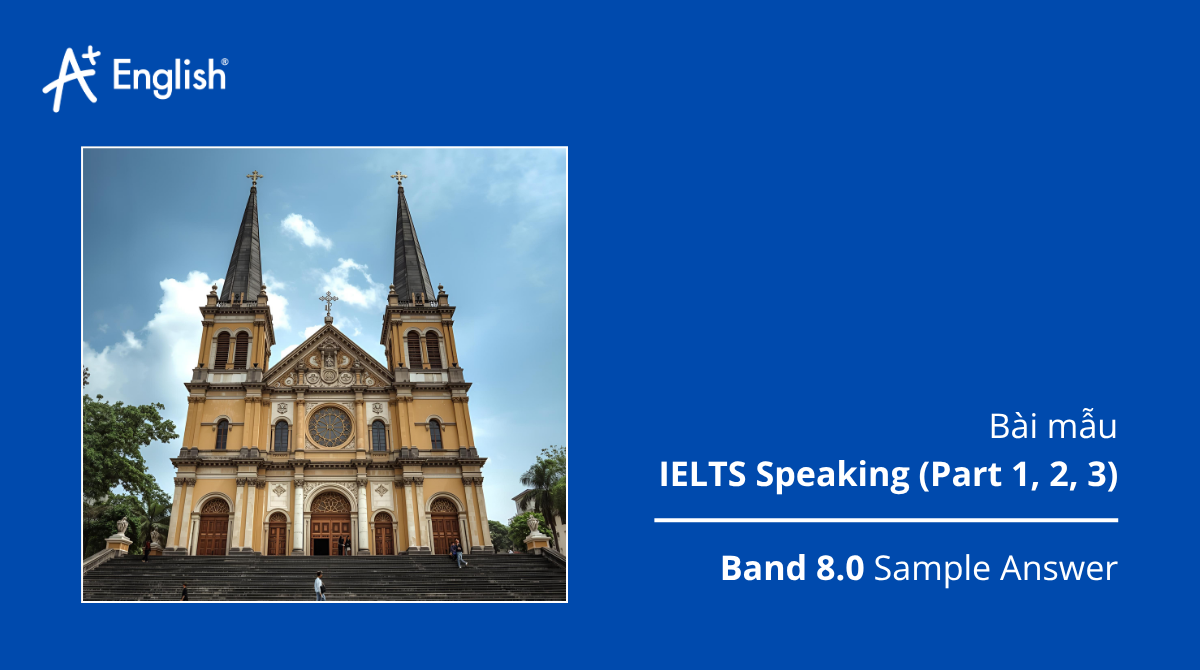
Task 2One destination I wholeheartedly recommend in Vietnam is the Notre Dame Cathedral Basilica of Saigon, a masterpiece of French colonial architecture located in the bustling heart of Ho Chi Minh City. This iconic landmark is not just a building; it’s a living testament to the city’s layered history and cultural fusion. With its striking red brick facade and towering twin bell towers, the cathedral offers a feast for the eyes. Inside, visitors are greeted by intricate stained glass windows and an air of serenity—a stark contrast to the bustling streets outside. The Virgin Mary statue in front of the cathedral is another highlight, often associated with local folklore and miraculous stories. Beyond the architecture, the area around the cathedral is equally enchanting. Nearby, you’ll find Book Street, a cozy haven for bookworms, and charming coffee shops where you can sip traditional Dịch coffee while soaking in the ambiance. Why would I recommend it? To put it succinctly, the Notre Dame Cathedral is a cultural and visual delight. It’s perfect for those looking to immerse themselves in history, admire stunning architecture, or simply take a breather in a serene environment. As the saying goes, “beauty is in the eye of the beholder,” and this place offers something beautiful for everyone. |
Task 3What are the most popular museums and art galleries in your area?Well, let me think for a moment… In Ho Chi Minh City, two places that come to mind are the War Remnants Museum and the Ho Chi Minh City Museum. The first one, you know, offers an emotional and eye-opening perspective on Vietnam’s history, particularly the Vietnam War. As for the second, it provides, I’d say, a deeper dive into the city’s cultural heritage. Do you believe that all museums and art galleries should be free?Hmm, that’s an interesting question. You see, while making museums free might encourage more visitors, I feel that a nominal fee is justified. The thing is, it helps ensure these institutions can maintain high-quality exhibits and preserve artifacts for future generations. As the saying goes, “you get what you pay for.” What kinds of things make a museum or art gallery an interesting place to visit?Well, let me think about that for a moment. I’d say interactive exhibits, immersive storytelling, and engaging guides are essential. These elements, in my opinion, transform what could be a passive experience into something dynamic and memorable. And, you know, a focus on contemporary relevance really helps connect the past to the present. Why, do you think, do some people book package holidays rather than traveling independently?That’s a good question. If I think about it, I’d say convenience is the main reason. You know, package holidays offer an all-in-one solution, sparing travelers the hassle of planning every detail. They’re particularly appealing, I think, for families or first-time travelers who want peace of mind over the unpredictability of independent travel. Would you say that large numbers of tourists cause problems for local people?Well, to be honest, absolutely. You see, over-tourism can lead to overcrowding, skyrocketing living costs, and environmental degradation. For locals, I think it’s a double-edged sword: while tourism brings economic benefits, it often comes at the expense of their quality of life. What sort of impact can large holiday resorts have on the environment?Hmm, let me take a moment to think about that. The environmental fallout, I’d say, can’t be overstated. From deforestation to excessive water consumption, resorts often strain local ecosystems. What’s more, the waste generated can overwhelm infrastructure, leaving the natural beauty that attracted tourists in the first place, well, in tatters. It’s a stark reminder, I think, that we should tread lightly wherever we go. |
Dịch
| Task 1
Did you like studying science when you were at school? [Why/Why not?] Thật lòng mà nói, không thực sự. Mặc dù môn học này có những khía cạnh thú vị, như các thí nghiệm trong phòng lab, nhưng khối lượng công thức và ghi nhớ quá nhiều khiến tôi thấy nản. Nó không khơi dậy trí tưởng tượng của tôi. What do you remember about your science teachers at school? Các giáo viên khoa học của tôi có sự đa dạng. Một số người rất truyền cảm hứng, như giáo viên vật lý của tôi, người luôn khuyến khích tư duy phản biện. Tuy nhiên, có những người chỉ tập trung vào việc học thuộc lòng, điều này làm giảm sự hứng thú của tôi. How interested are you in science now? [Why/Why not?] Sự quan tâm của tôi đã tăng lên vừa phải, đặc biệt trong các lĩnh vực như khám phá không gian và năng lượng tái tạo. Khoa học giờ đây có vẻ gần gũi hơn, vì nó liên quan trực tiếp đến những vấn đề ảnh hưởng đến cuộc sống của chúng ta, như biến đổi khí hậu và công nghệ. What do you think has been an important recent scientific development? [Why?] Trí tuệ nhân tạo là một bước đột phá. Nó đang cách mạng hóa nhiều lĩnh vực từ chăm sóc sức khỏe đến giáo dục, làm cho các quy trình trở nên hiệu quả và dễ tiếp cận hơn. Tuy nhiên, đây là một con dao hai lưỡi, với các vấn đề đạo đức cần được xem xét kỹ lưỡng. |
| Task 2
Một địa điểm tôi nhiệt tình giới thiệu ở Việt Nam là Nhà thờ Đức Bà Sài Gòn, một kiệt tác kiến trúc thuộc địa Pháp nằm giữa trung tâm nhộn nhịp của Thành phố Hồ Chí Minh. Biểu tượng này không chỉ là một công trình xây dựng; nó là một minh chứng sống động cho lịch sử nhiều tầng lớp và sự giao thoa văn hóa của thành phố. Với mặt tiền gạch đỏ nổi bật và hai tháp chuông cao vút, nhà thờ mang đến một bữa tiệc thị giác. Bên trong, du khách được chào đón bởi các cửa sổ kính màu tinh xảo và một không gian yên bình—một sự đối lập hoàn toàn với những con đường tấp nập bên ngoài. Tượng Đức Mẹ phía trước nhà thờ là một điểm nhấn khác, thường gắn liền với những câu chuyện dân gian và phép màu. Ngoài kiến trúc, khu vực xung quanh nhà thờ cũng rất quyến rũ. Gần đó, bạn sẽ tìm thấy Đường Sách, một nơi ấm cúng dành cho những người yêu sách, và những quán cà phê dễ thương nơi bạn có thể nhâm nhi cà phê Việt Nam truyền thống trong khi thưởng thức không gian. Tại sao tôi lại giới thiệu nơi này? Nói ngắn gọn, Nhà thờ Đức Bà là một niềm vui về cả văn hóa lẫn thị giác. Nó hoàn hảo cho những ai muốn đắm mình trong lịch sử, chiêm ngưỡng kiến trúc tuyệt đẹp, hoặc chỉ đơn giản là tìm một không gian yên bình. Như người ta thường nói, “vẻ đẹp nằm trong mắt người nhìn,” và nơi này mang đến điều gì đó đẹp đẽ cho tất cả mọi người. |
| Task 3
What are the most popular museums and art galleries in your area? Để tôi nghĩ xem nào… Ở Thành phố Hồ Chí Minh, hai nơi nổi bật là Bảo tàng Chứng tích Chiến tranh và Bảo tàng Thành phố Hồ Chí Minh. Nơi đầu tiên, bạn biết đấy, mang đến một góc nhìn đầy cảm xúc và mở mang về lịch sử Việt Nam, đặc biệt là Chiến tranh Việt Nam. Còn nơi thứ hai, tôi nghĩ, cung cấp một cái nhìn sâu sắc hơn về di sản văn hóa của thành phố. Do you believe that all museums and art galleries should be free? Hmm, đây là một câu hỏi thú vị. Bạn thấy đấy, mặc dù việc miễn phí có thể khuyến khích nhiều khách tham quan hơn, tôi cảm thấy rằng một khoản phí nhỏ là hợp lý. Vấn đề là nó giúp đảm bảo các tổ chức này có thể duy trì các triển lãm chất lượng cao và bảo tồn hiện vật cho các thế hệ tương lai. Như người ta thường nói, “bạn nhận được những gì bạn bỏ ra.” What kinds of things make a museum or art gallery an interesting place to visit? Để tôi suy nghĩ một chút. Tôi nghĩ rằng các triển lãm tương tác, cách kể chuyện cuốn hút và các hướng dẫn viên nhiệt tình là rất cần thiết. Những yếu tố này, theo tôi, biến một trải nghiệm thụ động thành một điều gì đó sinh động và đáng nhớ. Và, bạn biết đấy, việc tập trung vào sự liên quan đến hiện tại thực sự giúp kết nối quá khứ với hiện tại. Why, do you think, do some people book package holidays rather than traveling independently? Đó là một câu hỏi hay. Nếu tôi nghĩ về điều đó, tôi sẽ nói lý do chính là sự tiện lợi. Bạn biết đấy, các kỳ nghỉ theo tour trọn gói cung cấp một giải pháp “tất cả trong một,” giúp du khách không phải lo lắng về việc lên kế hoạch từng chi tiết. Chúng đặc biệt hấp dẫn, tôi nghĩ, đối với các gia đình hoặc những người đi du lịch lần đầu, những người muốn sự yên tâm hơn là sự không đoán trước của việc du lịch tự túc. Would you say that large numbers of tourists cause problems for local people? Thật lòng mà nói, chắc chắn là có. Bạn thấy đấy, du lịch quá mức có thể dẫn đến tình trạng quá tải, chi phí sinh hoạt tăng cao, và sự suy thoái môi trường. Đối với người dân địa phương, tôi nghĩ đó là một con dao hai lưỡi: mặc dù du lịch mang lại lợi ích kinh tế, nhưng thường phải đánh đổi bằng chất lượng cuộc sống của họ. What sort of impact can large holiday resorts have on the environment? Hmm, để tôi suy nghĩ về điều đó. Ảnh hưởng môi trường, tôi nghĩ, không thể bị coi nhẹ. Từ nạn phá rừng đến việc tiêu thụ nước quá mức, các khu nghỉ dưỡng thường gây áp lực lớn lên các hệ sinh thái địa phương. Hơn nữa, lượng rác thải tạo ra có thể làm quá tải cơ sở hạ tầng, khiến vẻ đẹp tự nhiên vốn thu hút du khách ban đầu, ừm, bị tàn phá. Đây là một lời nhắc nhở mạnh mẽ, tôi nghĩ, rằng chúng ta nên cẩn thận ở bất cứ nơi nào mình đến. |
4. Từ vựng (Vocabulary)
- Intriguing /ɪnˈtriː.ɡɪŋ/ – C1 (adj) – Gây hứng thú, hấp dẫn
Collocations: intriguing aspect (khía cạnh thú vị), intriguing idea (ý tưởng hấp dẫn)
Ví dụ: The museum had many intriguing artifacts on display.
Dịch: Bảo tàng trưng bày nhiều hiện vật hấp dẫn. - Memorization /ˌmem.ə.raɪˈzeɪ.ʃən/ – C1 (n) – Sự ghi nhớ
Collocations: rote memorization (học thuộc lòng), focus on memorization (tập trung vào việc ghi nhớ)
Ví dụ: The teaching method relied heavily on rote memorization.
Dịch: Phương pháp giảng dạy chủ yếu dựa vào học thuộc lòng. - Perspective /pəˈspek.tɪv/ – C1 (n) – Góc nhìn, quan điểm
Collocations: historical perspective (góc nhìn lịch sử), gain perspective (hiểu rõ vấn đề)
Ví dụ: Her perspective on climate change is rooted in scientific research.
Dịch: Quan điểm của cô ấy về biến đổi khí hậu dựa trên nghiên cứu khoa học. - Fusion /ˈfjuː.ʒən/ – C1 (n) – Sự kết hợp, hòa quyện
Collocations: cultural fusion (sự hòa quyện văn hóa), fusion cuisine (ẩm thực kết hợp)
Ví dụ: The city’s cuisine is a delightful fusion of local and international flavors.
Dịch: Ẩm thực của thành phố là sự kết hợp thú vị giữa hương vị địa phương và quốc tế. - Interactive /ˌɪn.təˈræk.tɪv/ – C1 (adj) – Mang tính tương tác
Collocations:interactive exhibit (triển lãm tương tác), interactive feature (tính năng tương tác)
Ví dụ: The interactive exhibits made the museum experience unforgettable.
Dịch: Các triển lãm tương tác đã khiến trải nghiệm ở bảo tàng trở nên khó quên. - Immersive /ɪˈmɜː.sɪv/ – C1 (adj) – Đắm chìm, toàn diện
Collocations: immersive experience (trải nghiệm toàn diện), immersive storytelling (kể chuyện đắm chìm)
Ví dụ: Virtual reality games offer an immersive experience like no other.
Dịch: Trò chơi thực tế ảo mang lại trải nghiệm đắm chìm không giống bất kỳ thứ gì khác. - Relevance /ˈrel.ə.vəns/ – C1 (n) – Sự liên quan, thích đáng
Collocations: cultural relevance (sự thích đáng về văn hóa), practical relevance (tính thực tiễn)
Ví dụ: The book’s relevance lies in its discussion of modern social issues.
Dịch: Giá trị của cuốn sách nằm ở việc thảo luận các vấn đề xã hội hiện đại. - Over-tourism /ˈəʊ.vəˌtʊr.ɪ.zəm/ – C2 (n) – Sự du lịch quá tải
Collocations: address over-tourism (giải quyết du lịch quá tải), impact of over-tourism (tác động của du lịch quá tải)
Ví dụ: Over-tourism has become a significant challenge for many popular destinations.
Dịch: Du lịch quá tải đã trở thành một thách thức lớn đối với nhiều điểm đến nổi tiếng. - Infrastructure /ˈɪn.frəˌstrʌk.tʃər/ – C1 (n) – Cơ sở hạ tầng
Collocations: develop infrastructure (phát triển cơ sở hạ tầng), poor infrastructure (cơ sở hạ tầng yếu kém)
Ví dụ: The city’s aging infrastructure struggles to accommodate the growing population.
Dịch: Cơ sở hạ tầng cũ kỹ của thành phố gặp khó khăn trong việc đáp ứng dân số ngày càng tăng. - Sustainability /səˌsteɪ.nəˈbɪl.ə.ti/ – C1 (n) – Sự bền vững
Collocations: environmental sustainability (sự bền vững môi trường), focus on sustainability (tập trung vào sự bền vững)
Ví dụ: The company has embraced sustainability as a core value.
Dịch: Công ty đã coi sự bền vững là một giá trị cốt lõi.
5. Thành ngữ (Idioms)
- Double-edged sword – Con dao hai lưỡi (vừa lợi vừa hại)
Ví dụ: Tourism is a double-edged sword; it boosts the economy but strains local resources.
Dịch: Du lịch là con dao hai lưỡi; nó thúc đẩy kinh tế nhưng lại gây áp lực lên tài nguyên địa phương. - Tread lightly – Cẩn trọng hành động
Ví dụ: When visiting fragile ecosystems, it’s important to tread lightly to avoid damage.
Dịch: Khi đến thăm các hệ sinh thái mong manh, việc hành động cẩn trọng là rất quan trọng để tránh gây thiệt hại. - Beauty is in the eye of the beholder – Vẻ đẹp tùy thuộc vào người nhìn
Ví dụ: The art exhibit may not appeal to everyone, but beauty is in the eye of the beholder.
Dịch: Triển lãm nghệ thuật có thể không thu hút tất cả mọi người, nhưng vẻ đẹp nằm trong mắt người nhìn. - You get what you pay for – Tiền nào của nấy
Ví dụ: The entrance fee might be high, but you get what you pay for with the world-class exhibits.
Dịch: Phí vào cửa có thể cao, nhưng tiền nào của nấy với các triển lãm đẳng cấp thế giới. - Convenience is king – Sự tiện lợi là trên hết
Ví dụ: For many people, convenience is king when it comes to choosing package holidays.
Dịch: Đối với nhiều người, sự tiện lợi là trên hết khi chọn các kỳ nghỉ trọn gói.
6. Ngữ pháp
- “While + Clause 1, Clause 2”
- Nghĩa: Trong khi … thì …
- Bối cảnh sử dụng: So sánh hai hành động hoặc trạng thái xảy ra đồng thời hoặc đối lập.
- Ví dụ: While science felt daunting in school, it has become more fascinating to me now.
- Dịch: Trong khi khoa học khiến tôi e ngại ở trường, bây giờ nó trở nên hấp dẫn hơn với tôi.
- “I’d say + Clause”
- Nghĩa: Tôi nghĩ rằng …
- Bối cảnh sử dụng: Dùng để đưa ra ý kiến cá nhân một cách nhẹ nhàng và không áp đặt.
- Ví dụ: I’d say interactive exhibits make a museum more engaging.
- Dịch: Tôi nghĩ rằng các triển lãm tương tác làm bảo tàng thú vị hơn.
- “It’s + Adj + to-infinitive”
- Nghĩa: Thật … để làm gì đó.
- Bối cảnh sử dụng: Miêu tả cảm giác hoặc đặc tính khi làm một việc cụ thể.
- Ví dụ: It’s important to consider the environmental impact of large resorts.
- Dịch: Việc cân nhắc tác động môi trường của các khu nghỉ dưỡng lớn là rất quan trọng.
- “As + Clause”
- Nghĩa: Khi … hoặc vì …
- Bối cảnh sử dụng: Diễn tả sự đồng thời hoặc nguyên nhân.
- Ví dụ: As I grow older, I’ve become more interested in science.
- Dịch: Khi tôi lớn lên, tôi trở nên hứng thú hơn với khoa học.
- “You know + Clause”
- Nghĩa: Bạn biết đấy …
- Bối cảnh sử dụng: Tạo sự thân thiện và kết nối trong giao tiếp.
- Ví dụ: You know, tourism brings both benefits and challenges to local communities.
- Dịch: Bạn biết đấy, du lịch mang lại cả lợi ích và thách thức cho cộng đồng địa phương.
7. Các hình thái thể hiện sự lưu loát
Cohesive Devices
- Logical connectors: While, As, Moreover, What’s more.
- Ví dụ: What’s more, the waste generated can overwhelm infrastructure.
- Pronouns and conjunctions: Frequent use of it, you know, and linking phrases like you see.
- Ví dụ: You see, while tourism benefits locals economically, it can also degrade their quality of life.
Spoken Style
- Informal markers: You know, Let me think about that for a moment, I’d say.
- These create a conversational tone and encourage listener engagement.
- Sentence fragments for emphasis:
- To be honest, absolutely.
- What’s more, in tatters.
8. Phát âm
Chunks for Meaningful Utterances
- You know, tourism brings both benefits and challenges.
- It’s important to consider the environmental impact.
Rhythm and Stress Timing
- Stress key ideas: “It’s challenging to make new friends in an unfamiliar place.”
- Use of connected speech:
- “You know” → /jə nəʊ/
- “What’s more” → /wɒts mɔːr/
- Intonation Patterns
- Rising tone for emphasis: “While making friends online can be convenient?”
- Falling tone for conclusions: “It often comes at the expense of their quality of life.”
9. Bài luyện tập (Practice Exercise)
Bài tập dịch từ tiếng Việt qua tiếng Anh:
Bài tập viết lại câu:
|
| KEY
Bài tập dịch từ tiếng Việt qua tiếng Anh:
Bài tập viết lại câu:
|
Sau khi tham khảo bài mẫu IELTS Speaking – Band 8.0, A+ English hy vọng các bạn sẽ hiểu rõ cách triển khai câu trả lời, phát triển ý tưởng mạch lạc. Đồng thời, các bạn cũng sẽ thu thập thêm nhiều từ vựng, cấu trúc hay và cách diễn đạt tự nhiên để áp dụng trong kỳ thi.
Nếu bạn đang tìm một khóa học IELTS chất lượng cao, phù hợp với trình độ của mình, hãy liên hệ ngay Tại đây để được tư vấn lộ trình học cá nhân hóa và nhận những tài liệu độc quyền mới nhất!
A+ English chúc các bạn học tập hiệu quả!